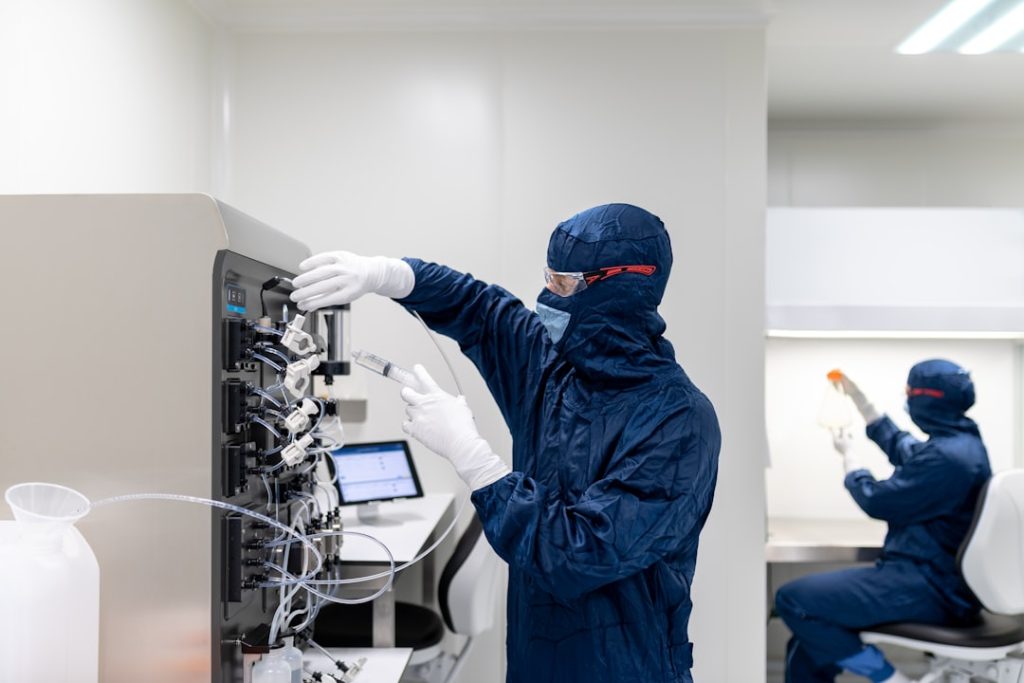
The lithium industry is experiencing its most significant technological revolution since the first commercial lithium mine opened decades ago. Direct lithium extraction (DLE) technology has achieved unprecedented efficiency rates of up to 95%, fundamentally altering the economics of lithium production and sending ripples throughout global supply chains. This breakthrough comes at a critical juncture as electric vehicle demand continues its exponential growth trajectory and energy storage markets expand rapidly.
Traditional lithium extraction methods, particularly from brine sources, have long been plagued by inefficiencies and environmental concerns. Conventional evaporation pond systems typically recover only 30-60% of available lithium while requiring massive water consumption and processing times spanning 12-18 months. The emergence of advanced direct lithium extraction technologies has shattered these limitations, enabling producers to extract lithium directly from brines using selective adsorption, ion exchange, or membrane filtration techniques.
Market data reveals that companies implementing direct lithium extraction systems are reporting production cost reductions of 40-60% compared to traditional methods. Lake Resources, operating in Argentina’s lithium triangle, recently announced their DLE pilot facility achieved 94% lithium recovery rates while reducing processing time to mere hours rather than months. Similar success stories are emerging across major lithium-producing regions, from Chile’s Atacama Desert to Nevada’s Clayton Valley.
Investment Capital Floods Into DLE Innovation
Venture capital and institutional investors have recognized the transformative potential of direct lithium extraction technology, pouring over $2.8 billion into DLE-focused companies during the past 18 months. This investment surge reflects growing confidence that DLE can solve the lithium supply bottleneck that has constrained battery production and elevated prices across the electric vehicle ecosystem.
ExxonMobil’s recent $1.2 billion commitment to Arkansas lithium production using proprietary direct lithium extraction methods signals major oil companies’ strategic pivot toward critical mineral extraction. The project aims to produce 100,000 tons of lithium carbonate equivalent annually by 2030, positioning the United States as a significant player in global lithium supply chains previously dominated by Chile, Australia, and China.
European automakers are particularly bullish on direct lithium extraction developments, as the technology enables domestic lithium production from previously uneconomical brine sources. Volkswagen Group has secured strategic partnerships with three DLE technology providers, ensuring priority access to European-sourced lithium for their expanding battery manufacturing operations. This vertical integration strategy addresses supply chain vulnerabilities exposed during recent geopolitical tensions.
Environmental Impact Drives Regulatory Support
Beyond economic advantages, direct lithium extraction technology addresses mounting environmental concerns surrounding traditional lithium production. Environmental impact assessments demonstrate that DLE systems reduce freshwater consumption by up to 85% compared to evaporation pond methods, a crucial consideration in water-stressed regions where lithium deposits are typically located.
Chilean environmental regulators have fast-tracked permitting for direct lithium extraction projects, recognizing their potential to minimize ecosystem disruption in the environmentally sensitive Atacama Desert. SQM and Albemarle, the region’s dominant lithium producers, are investing heavily in DLE retrofits for existing operations while developing greenfield projects incorporating the technology from inception.
The technology’s reduced land footprint represents another significant environmental advantage. Traditional evaporation ponds require thousands of acres for commercial-scale operations, while direct lithium extraction facilities occupy a fraction of that space. This efficiency gain is driving regulatory approval acceleration across multiple jurisdictions, from Australia’s Pilbara region to Nevada’s lithium-rich basins.
Carbon footprint analysis reveals additional environmental benefits, with DLE systems generating 70% fewer greenhouse gas emissions throughout the extraction process. As automakers face increasing pressure to demonstrate truly sustainable supply chains, demand for DLE-produced lithium continues accelerating, creating premium pricing opportunities for producers adopting the technology.
The convergence of technological advancement, environmental necessity, and market demand has positioned direct lithium extraction as the cornerstone of future lithium supply growth. As production capacity scales and costs continue declining, DLE technology promises to unlock previously stranded lithium resources while meeting the rigorous sustainability standards demanded by next-generation battery manufacturers. The question is no longer whether direct lithium extraction will dominate the industry, but rather how quickly traditional producers can adapt to this new technological paradigm.
