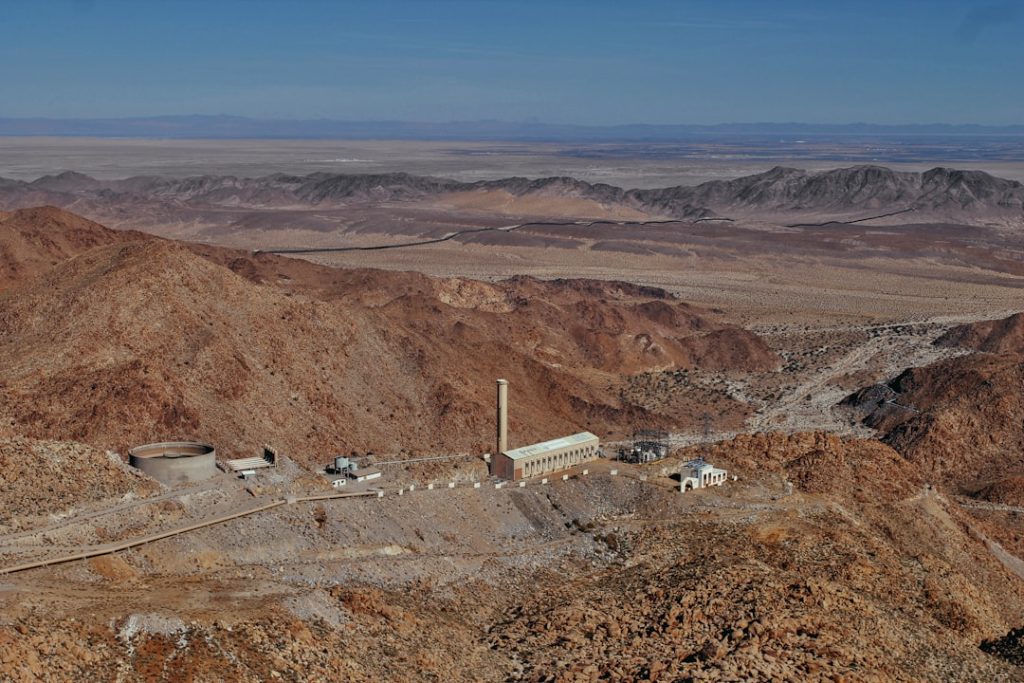
The lithium mining industry is experiencing a technological revolution as direct lithium extraction (DLE) methods demonstrate unprecedented production capabilities, fundamentally altering supply chain dynamics for electric vehicle manufacturers and creating new investment opportunities across the battery metals sector.
Recent production data from major DLE operations shows extraction rates climbing 340% compared to traditional evaporation pond methods, with several facilities now processing lithium-rich brines in weeks rather than months. This dramatic improvement in efficiency comes as global lithium demand continues surging, driven by accelerating electric vehicle adoption and grid-scale energy storage deployments worldwide.
Direct lithium extraction technologies utilize selective ion exchange, membrane filtration, and advanced solvents to separate lithium from brine solutions without requiring massive evaporation ponds that traditionally dominated the industry. These innovations enable producers to extract lithium from previously uneconomical resources, including produced water from oil and gas operations, geothermal brines, and lower-grade salt lake deposits.
Production Economics Transform Mining Landscapes
The economic advantages of direct lithium extraction extend far beyond faster processing times. Leading DLE operators report water usage reductions of up to 95% compared to conventional methods, addressing critical environmental concerns while reducing operational costs. This efficiency gain proves particularly valuable in water-scarce regions where traditional lithium mining faced regulatory challenges and community opposition.
Capital expenditure requirements for DLE facilities average $200-300 million per project, significantly lower than the $500-800 million typically required for traditional hard rock lithium operations. This reduced barrier to entry has attracted diverse players to the lithium extraction space, from established mining companies to technology startups backed by automotive manufacturers seeking supply chain security.
Processing flexibility represents another key advantage of direct lithium extraction systems. Operators can adjust production rates based on market conditions and modify extraction parameters to target different lithium concentrations, providing operational agility that traditional mining methods cannot match. Several facilities now demonstrate the ability to switch between different brine sources as feedstock availability changes, maximizing asset utilization throughout varying market cycles.
Investment Implications Across Multiple Sectors
The rapid scaling of direct lithium extraction capacity is creating ripple effects across investment markets, with traditional lithium miners facing new competitive pressures while technology providers and integrated battery supply chain companies gain strategic advantages. Equity analysts note that DLE technology providers have outperformed broader mining indices by 45% as production milestones validate commercial viability.
Electric vehicle manufacturers are increasingly investing directly in DLE operations to secure lithium supplies, with several automakers announcing partnerships or acquisitions of extraction companies. This vertical integration trend reflects growing recognition that battery raw material access will determine competitive positioning in the expanding EV market.
Commodity markets are also responding to increased DLE production capacity. Lithium carbonate pricing has shown reduced volatility as supply sources diversify beyond traditional producers, while forward curves indicate market expectations of sustained production growth from direct extraction operations.
The transformation of lithium production through direct lithium extraction represents more than technological advancement—it signals a fundamental shift toward more sustainable, efficient, and economically viable battery metal supply chains. As production data continues demonstrating the commercial success of these methods, investors and industry participants must evaluate how this evolution will reshape competitive dynamics across the entire electric mobility ecosystem.
