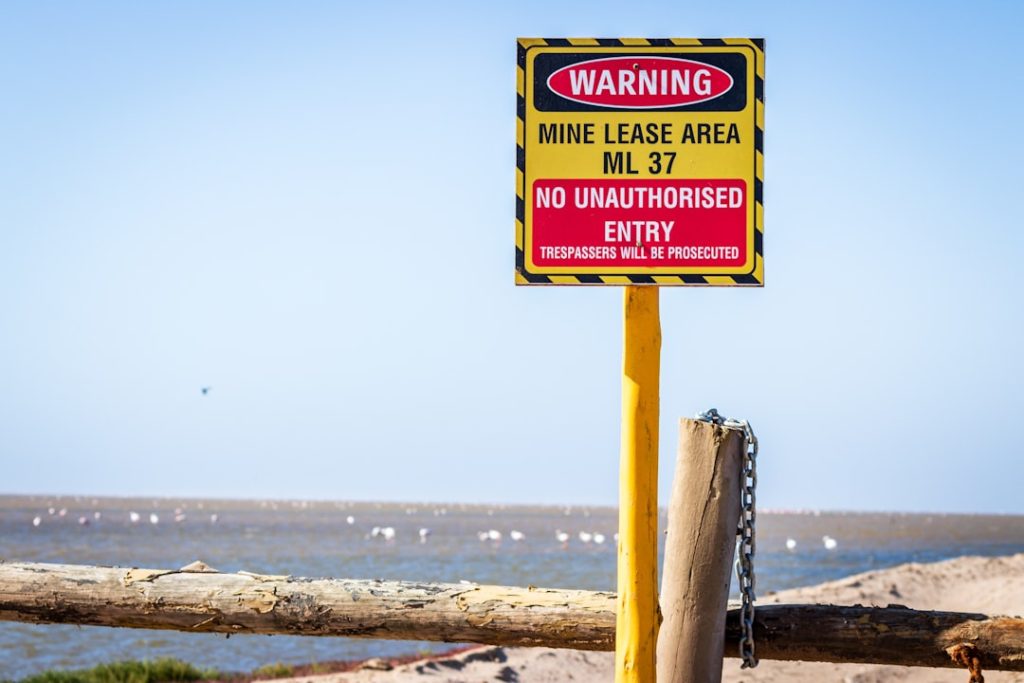
The lithium industry stands at a pivotal crossroads as mounting evidence points to an unprecedented supply shortage that could fundamentally reshape global markets. Recent analysis from leading mining consultancies and battery manufacturers has triggered a comprehensive supply deficit warning that extends far beyond typical market fluctuations, signaling a structural transformation that could redefine how the world sources and prices this critical mineral.
This emerging supply deficit warning reflects a perfect storm of increased electric vehicle adoption, renewable energy storage demands, and constrained mining capacity that threatens to create the most significant lithium shortage in modern history. The implications extend from automakers scrambling to secure long-term contracts to governments reassessing their strategic mineral policies.
Unprecedented Demand Growth Outpaces Production Capacity
Global lithium consumption has accelerated beyond industry projections, with electric vehicle sales driving demand to levels that existing mines cannot sustainably meet. Current production facilities operate at maximum capacity while new projects face extensive development timelines spanning 5-7 years from discovery to commercial production.
Battery manufacturers report that securing adequate lithium supplies has become their primary operational challenge, with some companies already implementing rationing protocols for their most critical applications. The automotive sector, which now represents approximately 75% of lithium demand, faces particular pressure as manufacturers rush to meet ambitious electrification targets.
This supply deficit warning has prompted several major automakers to invest directly in mining operations, marking a significant departure from traditional supply chain models. Companies that previously relied on spot market purchases are now pursuing vertical integration strategies to guarantee access to lithium reserves.
Geopolitical Factors Compound Supply Chain Vulnerabilities
The concentration of lithium production in a handful of countries has amplified concerns about supply security, particularly as geopolitical tensions affect trade relationships. Australia, Chile, and China control approximately 85% of global lithium production, creating potential bottlenecks that could exacerbate any supply deficit warning.
Recent policy changes in key producing regions have introduced additional complexity to supply chains. Export restrictions, increased royalty rates, and environmental regulations have collectively reduced the effective supply available to international markets, while domestic demand in producing countries continues to grow.
Mining companies report that permitting delays and community opposition have extended project development timelines, making it increasingly difficult to bring new capacity online quickly enough to address emerging shortfalls. Environmental assessments that once required 18-24 months now often extend beyond three years, creating significant gaps between identified demand and achievable supply.
Technological Innovation Reshapes Industry Response
The current supply deficit warning has accelerated research into alternative battery chemistries and lithium extraction methods that could alleviate pressure on traditional mining operations. Direct lithium extraction technologies, which can process brine deposits more efficiently than conventional evaporation methods, represent one promising avenue for increasing supply without expanding mining footprints.
Recycling initiatives have gained renewed attention as companies seek to capture lithium from end-of-life batteries and manufacturing waste. Several facilities now under construction could contribute meaningful supply by recovering lithium that would otherwise be lost, though recycled material will likely represent only a small fraction of total demand in the near term.
Battery manufacturers are simultaneously exploring lithium-efficient designs and alternative chemistries that could reduce per-unit lithium consumption without compromising performance. These technological adaptations could moderate demand growth even as overall battery production continues expanding rapidly.
Market Dynamics and Investment Implications Transform Rapidly
The supply deficit warning has fundamentally altered lithium pricing mechanisms, shifting from cyclical commodity patterns to structural premium pricing that reflects scarcity value. Long-term contracts now command significant premiums over historical averages, while spot market volatility has increased dramatically as buyers compete for limited available supply.
Investment capital has flooded into lithium exploration and development projects, with venture capital and private equity firms joining traditional mining investors in funding new ventures. Government strategic mineral initiatives have added another layer of investment activity, as nations seek to secure domestic lithium production capabilities.
This capital influx has created opportunities for previously marginal projects to achieve commercial viability, though the extended development timelines mean that current investment activity will not meaningfully impact supply availability for several years.
The lithium industry’s transformation reflects broader shifts in global energy systems that extend far beyond simple supply and demand calculations. As this supply deficit warning continues to influence market behavior, successful companies will be those that adapt quickly to new realities while maintaining focus on sustainable, long-term solutions that can support the growing clean energy economy. The next few years will likely determine whether the industry can scale production to meet unprecedented demand or whether structural shortages will constrain the pace of global electrification efforts.