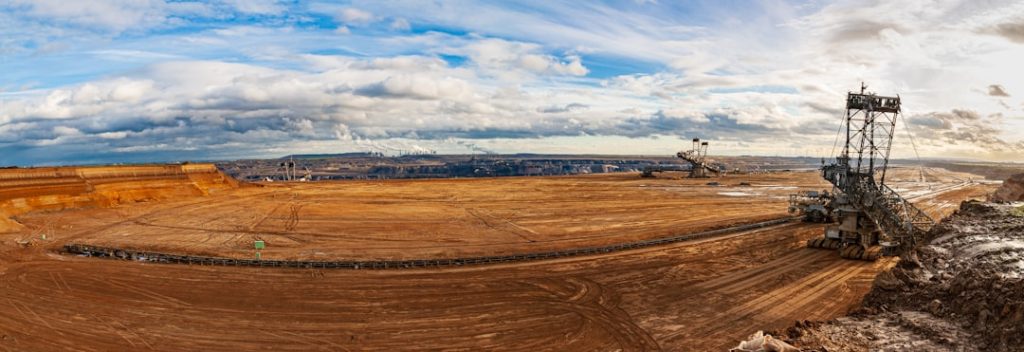
The lithium industry stands at a pivotal crossroads as hard rock mining expansion fundamentally alters the global production paradigm. While traditional brine extraction has dominated lithium supply chains for decades, the rapid proliferation of spodumene-based hard rock operations is reshaping everything from geographical production centers to processing timelines and market dynamics.
This transformation represents more than a mere shift in extraction methods—it signals a complete reimagining of how the world sources one of its most critical energy transition minerals. Hard rock mining expansion has emerged as the industry’s answer to surging demand from electric vehicle manufacturers and energy storage systems, offering faster production timelines and greater operational control compared to conventional brine evaporation processes.
The numbers tell a compelling story of transformation. Hard rock lithium operations now account for approximately 60% of global lithium production, a dramatic increase from just 35% a decade ago. This shift has been driven primarily by developments in Australia’s Pilbara region, where companies have rapidly scaled spodumene mining operations to meet unprecedented demand from Asian battery manufacturers.
Unlike brine operations that require 12-18 months of evaporation ponds to concentrate lithium, hard rock mining expansion enables producers to extract and process spodumene ore within weeks. This operational advantage has proven crucial as automakers demand more predictable supply schedules and shorter lead times for battery-grade lithium carbonate and lithium hydroxide.
The geographical implications of this shift extend far beyond individual mining sites. Countries previously peripheral to lithium production have emerged as major players through hard rock mining expansion. Canada’s Quebec province has witnessed significant investment in spodumene projects, while several African nations are developing hard rock lithium assets to serve both local processing facilities and international markets.
China’s role in this transformation cannot be understated. Chinese companies have invested heavily in hard rock mining expansion across multiple continents, securing long-term supply agreements and establishing integrated supply chains from mine to battery cathode. This vertical integration strategy has enabled Chinese firms to maintain cost competitiveness while ensuring supply security for their domestic battery manufacturing industry.
Processing Infrastructure Drives Strategic Advantage
The success of hard rock mining expansion has created new bottlenecks and opportunities in downstream processing. Converting spodumene concentrate into battery-grade lithium compounds requires sophisticated chemical processing facilities, sparking a global race to build conversion capacity. Companies that control both mining assets and processing infrastructure have gained significant competitive advantages in pricing negotiations and supply chain management.
This processing bottleneck has become a strategic focal point for governments seeking to develop domestic lithium value chains. The United States has announced substantial subsidies for lithium processing facilities, while European nations are courting hard rock mining companies to establish conversion plants within their borders. These policy initiatives reflect growing recognition that hard rock mining expansion alone is insufficient without corresponding processing capabilities.
Environmental considerations have also evolved alongside hard rock mining expansion. While spodumene mining typically requires more immediate land disturbance than brine operations, it offers advantages in water usage and chemical waste generation. Modern hard rock operations have implemented advanced tailings management systems and progressive rehabilitation programs that address many traditional mining concerns.
Market Dynamics and Future Outlook
The financial implications of hard rock mining expansion have reverberated through global commodity markets. Spodumene concentrate prices have exhibited different volatility patterns compared to lithium carbonate prices, creating new hedging strategies for both producers and consumers. This price differentiation has enabled some hard rock operations to maintain profitability during periods when brine producers struggled with margin compression.
Looking ahead, hard rock mining expansion appears positioned to accelerate further as new deposits advance through feasibility studies and permitting processes. Technology improvements in ore sorting and concentration have reduced processing costs, while automation systems have enhanced operational efficiency and safety metrics at existing hard rock operations.
The competitive landscape continues evolving as traditional brine producers acquire hard rock assets to diversify their production profiles. This consolidation trend suggests that future lithium supply chains will increasingly feature hybrid production strategies that leverage both extraction methods based on market conditions and customer requirements.
As electric vehicle adoption accelerates globally and energy storage deployment expands, hard rock mining expansion represents more than an industry trend—it embodies a fundamental restructuring of how the world secures lithium supply. The companies and countries that successfully navigate this transformation will likely determine the pace and geography of the broader energy transition for decades to come.