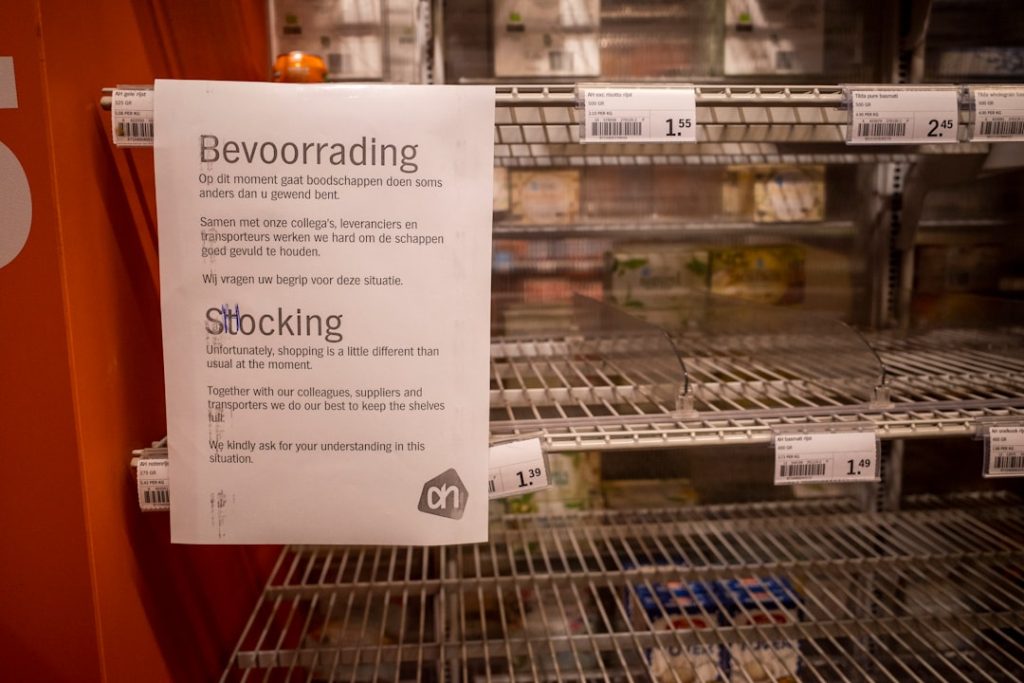
The lithium industry faces an unprecedented crisis as global demand continues to outpace production capabilities. A recent supply deficit warning from the International Energy Agency has sent shockwaves through the battery and electric vehicle sectors, but it has also catalyzed remarkable innovations in lithium extraction technology. Mining companies and technology firms are racing to develop revolutionary extraction methods that could transform how we obtain this critical mineral.
As electric vehicle adoption accelerates worldwide and renewable energy storage demands surge, the gap between lithium supply and demand has reached critical levels. This supply deficit warning has become the driving force behind a new era of extraction innovation, pushing the boundaries of what was previously thought possible in mineral recovery.
Advanced Brine Processing Technologies Emerge from Crisis
The supply deficit warning has accelerated development of cutting-edge brine processing technologies that dramatically reduce extraction timeframes. Traditional lithium brine extraction methods require 12-18 months of evaporation in massive pond systems, but new direct lithium extraction (DLE) technologies can recover lithium in hours or days rather than months.
Companies like Lilac Solutions and Summit Nanotech have developed ion-exchange and selective adsorption technologies that can extract lithium directly from brine with over 90% recovery rates. These innovations, spurred by the urgent supply deficit warning, utilize specialized membranes and chemical processes to separate lithium from other minerals without the lengthy evaporation process.
The economic impact is substantial. These advanced brine processing technologies can increase lithium production by 300-500% from existing facilities while reducing water consumption by up to 95%. Major lithium producers in Chile’s Atacama Desert and Argentina’s lithium triangle are rapidly implementing these technologies to address the supply deficit warning.
Rock-Based Extraction Breakthroughs Reshape Mining Operations
The supply deficit warning has also driven revolutionary advances in hard rock lithium extraction from spodumene deposits. Traditional crushing and heating methods are being replaced by more efficient chemical and biological extraction processes that can recover lithium at lower costs and with reduced environmental impact.
Cornish Lithium has pioneered geothermal brine extraction techniques that tap into underground hot springs containing dissolved lithium. Their technology combines renewable energy generation with lithium extraction, creating a dual-revenue stream while addressing the supply deficit warning through domestic production capabilities.
Meanwhile, companies are developing acid-free extraction methods using microorganisms and bio-leaching processes. These biological extraction techniques can process lower-grade ores that were previously considered uneconomical, effectively expanding the global lithium resource base in response to the supply deficit warning.
Artificial Intelligence Optimizes Extraction Efficiency
Machine learning and artificial intelligence have become critical tools in addressing the supply deficit warning through optimized extraction processes. AI algorithms now monitor and control extraction parameters in real-time, maximizing recovery rates while minimizing energy consumption and chemical waste.
Mining companies are deploying sophisticated sensor networks and predictive analytics to identify optimal extraction conditions for different brine compositions and geological formations. This data-driven approach, necessitated by the supply deficit warning, has improved extraction efficiency by 25-40% across multiple facilities.
Predictive maintenance algorithms prevent equipment failures that could disrupt production schedules, ensuring consistent output levels during this critical period. The integration of AI technology represents a fundamental shift in how the industry approaches lithium extraction, moving from reactive to proactive operational strategies.
Environmental Solutions Address Sustainability Concerns
The supply deficit warning has intensified focus on environmentally sustainable extraction methods as companies seek to expand production without exacerbating ecological impacts. Zero-liquid discharge systems now recycle 99% of process water, addressing concerns about water usage in arid regions where lithium deposits are typically found.
Carbon-negative extraction processes are being developed that capture more CO2 than they emit through integration with carbon capture technologies and renewable energy systems. These innovations demonstrate how the supply deficit warning has driven holistic solutions that address both production and environmental challenges simultaneously.
Closed-loop extraction systems minimize chemical waste and eliminate the need for large evaporation ponds that can disrupt local ecosystems. Companies implementing these technologies report 70-80% reductions in environmental impact metrics while maintaining or improving production volumes.
The supply deficit warning that initially threatened to constrain global clean energy transitions has instead become the catalyst for remarkable technological advancement in lithium extraction. These innovations are not only addressing current supply shortages but are positioning the industry for sustainable long-term growth. As these technologies scale and mature, they promise to transform lithium from a supply-constrained critical mineral into an abundant resource capable of supporting the global transition to clean energy and electric transportation.