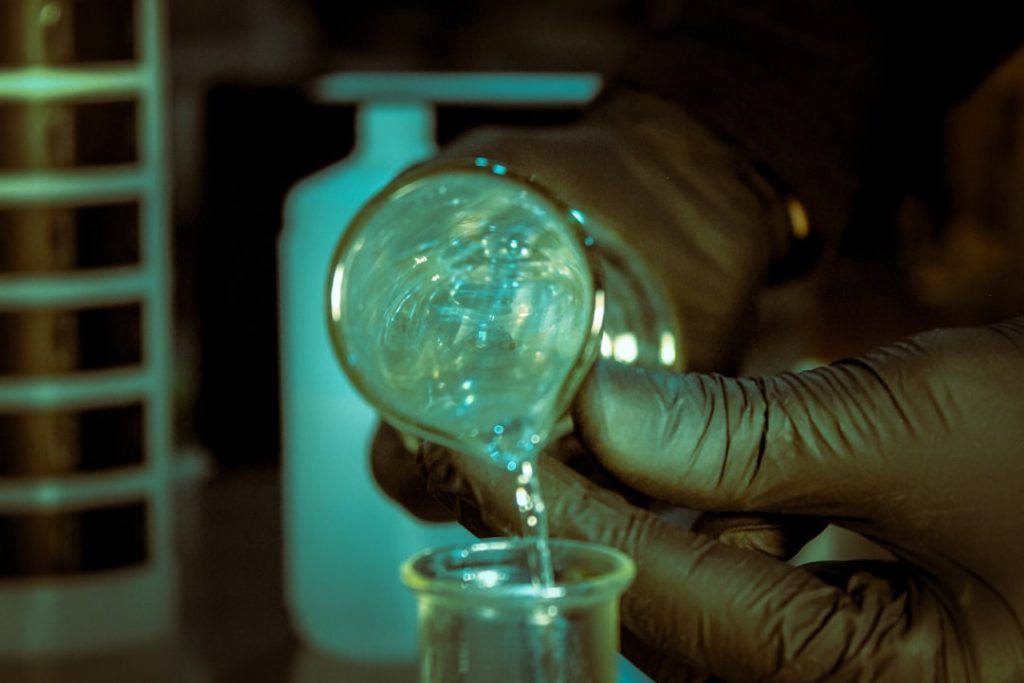
The lithium market is experiencing a technological revolution as direct lithium extraction (DLE) methods gain unprecedented traction among mining companies worldwide. This innovative approach promises to transform how the industry extracts lithium from brine sources, potentially solving long-standing supply chain bottlenecks that have plagued electric vehicle manufacturers and battery producers.
Unlike traditional evaporation pond methods that can take 12-24 months to process lithium-rich brine, direct lithium extraction technologies can complete the process in hours or days. This dramatic reduction in processing time, combined with higher recovery rates and smaller environmental footprints, has captured the attention of investors and industry leaders seeking to meet surging demand for lithium-ion batteries.
Market Dynamics Driving DLE Adoption
Current market conditions are creating a perfect storm for direct lithium extraction technology adoption. Global lithium demand continues to outpace supply, with electric vehicle sales maintaining robust growth trajectories despite economic uncertainties. Major automotive manufacturers have committed to aggressive electrification timelines, placing enormous pressure on the lithium supply chain to deliver consistent, high-quality materials.
Recent supply disruptions from traditional mining operations have highlighted the vulnerability of conventional extraction methods to weather patterns, environmental regulations, and geopolitical tensions. Direct lithium extraction offers a more resilient alternative that can operate year-round with minimal water usage and reduced land requirements. Industry analysts project that DLE technologies could capture 15-20% of global lithium production capacity within the next five years.
Leading Technologies and Market Players
Several distinct direct lithium extraction approaches are competing for market dominance, each offering unique advantages for different brine compositions and operational environments. Membrane-based filtration systems have shown promising results in pilot projects across South America’s lithium triangle, while adsorption technologies using specialized materials are gaining traction in North American operations.
Selective ion exchange methods represent another significant category within direct lithium extraction, with companies reporting recovery rates exceeding 90% in controlled environments. These technologies utilize proprietary materials designed to capture lithium ions while rejecting other minerals commonly found in brine solutions. The competition among technology providers has accelerated innovation cycles and driven down equipment costs, making DLE increasingly attractive to mid-sized mining operations.
Environmental Impact and Regulatory Landscape
Environmental considerations are playing an increasingly important role in lithium extraction project approvals, particularly in water-stressed regions where traditional evaporation methods face scrutiny. Direct lithium extraction technologies typically require 85-95% less water than conventional approaches, addressing one of the industry’s most significant environmental challenges.
Regulatory frameworks in key lithium-producing regions are evolving to incorporate sustainability metrics into mining permit evaluations. Companies implementing direct lithium extraction methods are finding faster approval processes and stronger community support for their operations. The reduced surface footprint of DLE facilities also minimizes disruption to local ecosystems and indigenous communities, factors that have become critical considerations for international investors and development banks.
Investment Trends and Future Outlook
Venture capital and private equity investments in direct lithium extraction companies have accelerated significantly, with funding rounds increasingly focused on scaling proven technologies rather than early-stage research. Major lithium producers are also establishing strategic partnerships with DLE technology providers, recognizing the need to modernize their extraction capabilities to remain competitive.
Market forecasts suggest that direct lithium extraction could become the dominant method for new lithium projects within the current decade. The technology’s ability to process lower-grade brines economically is opening previously unviable deposits to commercial development, potentially adding millions of tons to global lithium reserves. This expansion of accessible resources, combined with faster processing capabilities, positions DLE as a critical component in meeting long-term battery material demand.
The convergence of technological maturity, environmental necessity, and market demand is creating an inflection point for direct lithium extraction adoption. As production costs continue declining and operational efficiency improves, DLE technologies are poised to reshape the global lithium industry fundamentally, offering a more sustainable and responsive approach to meeting the world’s growing appetite for lithium-ion batteries.
