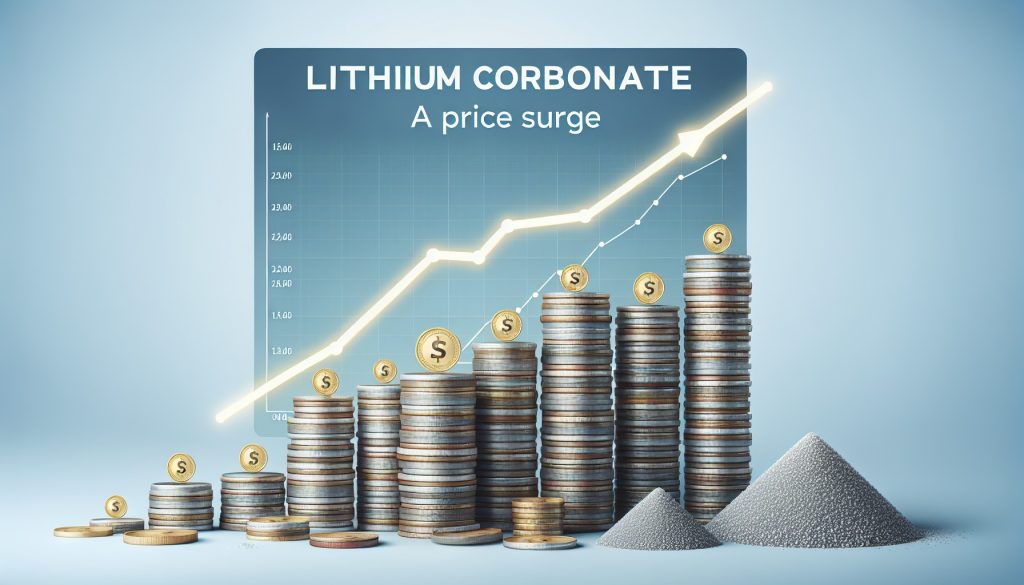
The global battery metals market is experiencing seismic shifts as lithium carbonate prices reach unprecedented levels, sending shockwaves through the electric vehicle supply chain and renewable energy storage sectors. This dramatic lithium carbonate price surge reflects a perfect storm of constrained supply, exploding demand, and geopolitical tensions that continue to reshape the critical minerals landscape.
Market analysts are witnessing price movements that dwarf previous commodity cycles, with lithium carbonate spot prices climbing beyond historical resistance levels. The surge stems from multiple converging factors, including production bottlenecks at major mining operations, extended permitting delays for new extraction projects, and an acceleration in electric vehicle adoption rates that has outpaced even the most optimistic industry forecasts.
China’s dominance in lithium processing remains a central factor driving price volatility. Despite holding limited raw lithium reserves compared to countries like Australia and Chile, Chinese companies control approximately 60% of global lithium refining capacity. Recent regulatory changes and environmental compliance requirements have temporarily reduced output from several key facilities, creating immediate supply shortages that amplify the lithium carbonate price surge.
The automotive sector bears the brunt of these price increases, with battery manufacturers struggling to secure long-term supply contracts at sustainable prices. Tesla, BYD, and other major electric vehicle producers have responded by diversifying their supply chains and investing directly in mining operations. This vertical integration strategy represents a fundamental shift from traditional automotive procurement models, highlighting how critical the lithium supply chain has become to industry competitiveness.
Emerging markets are particularly vulnerable to these price dynamics. Countries racing to establish domestic electric vehicle manufacturing capabilities find themselves competing against established players with deeper pockets and longer-standing supplier relationships. The lithium carbonate price surge threatens to delay electrification timelines in regions where price sensitivity remains high and government subsidies are limited.
Technological alternatives are gaining renewed attention as companies seek to reduce lithium dependency. Sodium-ion batteries, while offering lower energy density, present a more cost-effective solution for certain applications. Similarly, lithium iron phosphate (LFP) chemistry requires less lithium per kilowatt-hour compared to nickel-rich alternatives, driving a notable shift in battery chemistry preferences among cost-conscious manufacturers.
Investment capital is flowing rapidly toward lithium projects previously considered marginal. Direct lithium extraction technologies, which can recover lithium from brine deposits more efficiently than traditional evaporation ponds, are attracting significant funding despite higher upfront costs. Recycling operations are also expanding as companies recognize the value proposition of recovering lithium from end-of-life batteries.
Geopolitical considerations add another layer of complexity to the market dynamics. The United States and European Union are implementing policies designed to reduce dependence on Chinese lithium processing, including substantial subsidies for domestic refining capacity. These initiatives, while addressing supply security concerns, require years to reach commercial scale, providing little immediate relief from the current lithium carbonate price surge.
Market intelligence suggests that price volatility will persist through the medium term as new supply sources gradually come online. The lag time between project approval and commercial production typically spans three to five years for mining operations and two to three years for processing facilities. This extended development timeline means that today’s high prices reflect supply-demand imbalances that emerged years ago and will likely persist despite ongoing investment.
Forward-thinking companies are adapting their strategies to navigate this challenging environment. Battery manufacturers are redesigning cell chemistries to maximize lithium utilization efficiency, while automotive companies are extending supplier partnerships beyond traditional contract terms to include equity stakes and offtake agreements. These structural changes in industry relationships reflect a maturing understanding of lithium’s strategic importance to the global energy transition. The current lithium carbonate price surge serves as a critical inflection point, forcing rapid evolution across the entire battery value chain and accelerating the development of more resilient supply networks.