Chile’s industrial landscape is experiencing a remarkable transformation as production figures reach unprecedented levels across multiple sectors. The latest data reveals that Chilean production output has surged dramatically, creating ripple effects throughout global commodity markets and prompting investors to reassess their portfolios with renewed interest in South American assets.
The mining sector continues to anchor Chile’s production boom, with copper extraction leading the charge. As the world’s largest copper producer, Chile has leveraged advanced extraction technologies and expanded operational capacity to meet surging global demand driven by renewable energy infrastructure and electric vehicle manufacturing. Lithium production has emerged as another cornerstone of Chilean production output, positioning the nation as a critical supplier in the global battery supply chain. The Salar de Atacama continues to yield substantial quantities of this strategic mineral, with production efficiency improvements delivering consistent output growth.
Beyond traditional mining operations, Chile’s agricultural sector has demonstrated remarkable resilience and expansion. Wine production has reached new peaks, with Chilean vintners capitalizing on favorable climate conditions and innovative cultivation techniques. Fresh fruit exports, particularly cherries, grapes, and avocados, have experienced substantial growth as Chilean producers successfully navigate complex international logistics networks and maintain quality standards that command premium prices in global markets.
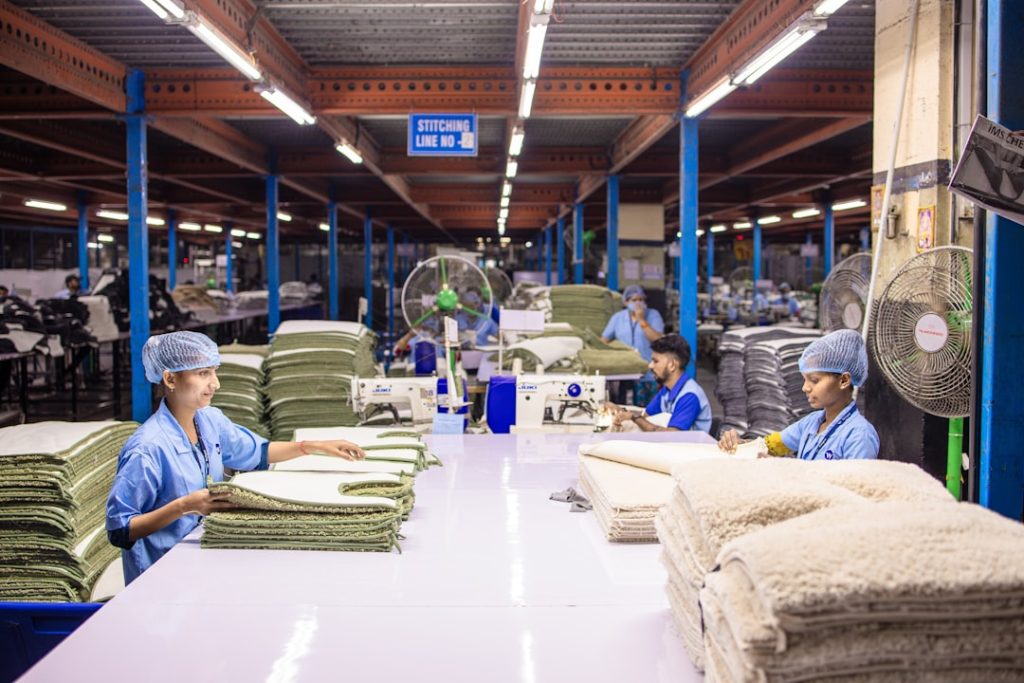
Manufacturing activities across Chile have also contributed significantly to the overall production surge. The country’s textile industry has benefited from strategic trade agreements and competitive labor costs, while food processing operations have scaled up to meet both domestic consumption and export demands. Chemical production facilities have expanded their output to serve regional markets, creating additional revenue streams that complement Chile’s resource-based economy.
Investors are closely monitoring these production trends as they evaluate Chilean market opportunities. The consistent growth in Chilean production output has translated into stronger corporate earnings for companies operating across these sectors. Mining giants have reported robust profit margins despite global commodity price volatility, while agricultural producers have demonstrated their ability to maintain growth trajectories even amid challenging international trade conditions.
The energy sector plays a crucial supporting role in sustaining high production levels. Chile’s commitment to renewable energy development has created a more stable and cost-effective power supply for industrial operations. Solar and wind installations across the Atacama Desert region now provide substantial electricity generation capacity, reducing operational costs for energy-intensive mining and manufacturing processes.
Logistical infrastructure improvements have further enhanced Chile’s production capabilities. Port expansions and modernization projects have increased export capacity, while transportation network upgrades have streamlined the movement of goods from production sites to international markets. These infrastructure investments have reduced bottlenecks that previously constrained Chilean production output growth.
Financial markets have responded positively to Chile’s production momentum, with equity valuations reflecting increased confidence in the country’s economic prospects. Currency stability has provided additional support for international investors, who view Chilean assets as offering attractive risk-adjusted returns within the emerging markets universe.
Environmental considerations have become increasingly important as production scales continue expanding. Chilean companies are implementing sustainable practices and technologies to minimize their ecological footprint while maintaining output growth. These initiatives have garnered support from environmentally conscious investors who prioritize sustainable production methods.
The surge in Chilean production output represents more than cyclical economic improvement—it reflects structural changes that position Chile as an increasingly important player in global supply chains. As companies worldwide seek to diversify their supplier networks and reduce geographic concentration risks, Chile’s proven production capabilities and stable political environment make it an attractive partner for long-term commercial relationships. This production renaissance is reshaping investor perceptions of Chilean markets and establishing new benchmarks for sustained economic growth in Latin America.