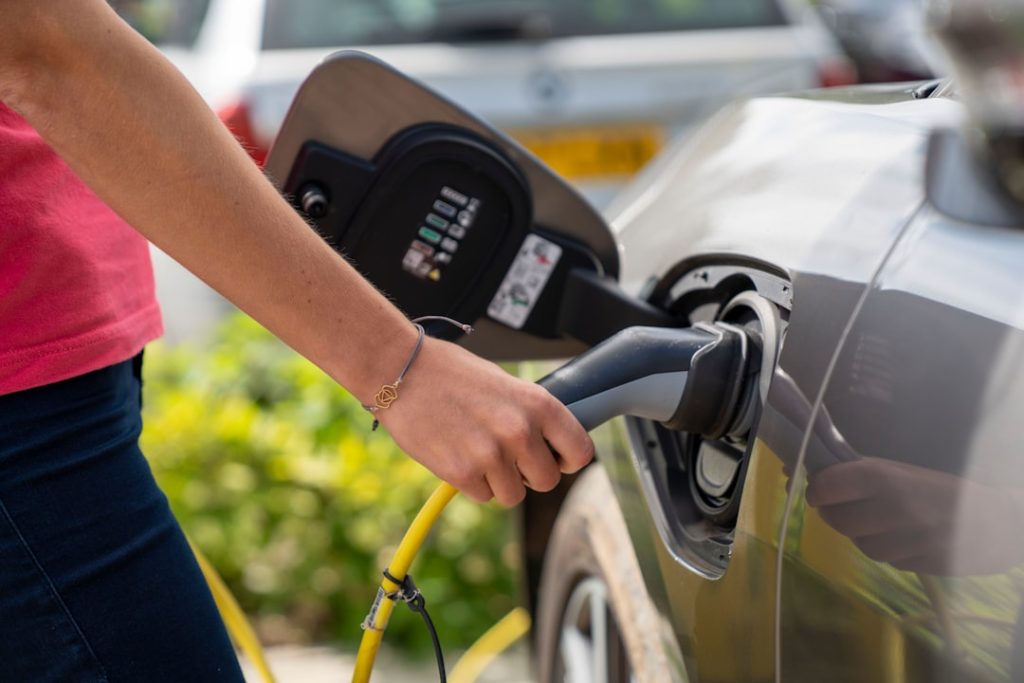
Electric vehicle sales continue to shatter expectations worldwide, creating ripple effects across energy markets and commodity sectors that extend far beyond automotive manufacturing. The latest EV demand forecast data reveals a fundamental shift in how we power transportation, with profound implications for clean energy infrastructure and critical mineral supply chains.
Global electric vehicle sales have reached an inflection point, with adoption rates accelerating faster than most analysts predicted just two years ago. The current EV demand forecast shows electric vehicles capturing over 35% of new car sales in major markets, driven by improved battery technology, expanding charging networks, and increasingly competitive pricing. This surge represents more than just automotive transformation—it signals a complete restructuring of energy consumption patterns and raw material dependencies.
The mathematics behind this shift are compelling. Each million electric vehicles added to global roads creates demand for approximately 70,000 tons of lithium carbonate equivalent, along with substantial quantities of cobalt, nickel, and rare earth elements. But the impact extends beyond mining sectors. The International Energy Agency estimates that supporting current EV demand forecast trajectories requires a tripling of global charging infrastructure within the next three years, representing over $180 billion in clean energy investments.
China continues to dominate both production and consumption, accounting for nearly 60% of global electric vehicle sales, while European markets show the fastest growth rates. Norway leads in penetration with electric vehicles representing over 80% of new car sales, followed by Iceland and Sweden. These Nordic countries provide compelling case studies for infrastructure development, demonstrating that comprehensive charging networks can accelerate adoption beyond even optimistic forecasts.
Clean Energy Infrastructure Responds to Accelerating Demand
The relationship between electric vehicle adoption and renewable energy deployment has become increasingly symbiotic. Grid operators across major markets report that EV charging now represents their fastest-growing electricity demand segment, with peak charging periods requiring sophisticated load management systems. Smart charging technologies have emerged as critical infrastructure, allowing utilities to balance renewable energy intermittency with vehicle charging needs.
Solar and wind capacity additions are increasingly planned around transportation electrification scenarios. The latest EV demand forecast models suggest that transportation could account for 25% of total electricity consumption by 2030, compared to just 1% today. This shift drives unprecedented investment in grid modernization, energy storage systems, and distributed generation resources.
Corporate fleet electrification has become a particularly powerful driver, with logistics companies like Amazon, FedEx, and DHL committing to fully electric delivery fleets. These commercial applications often provide more predictable charging patterns than consumer vehicles, making them attractive anchor loads for renewable energy projects. Industrial-scale charging facilities are increasingly paired with dedicated solar installations and battery storage systems, creating integrated clean energy ecosystems.
Lithium Markets Enter New Growth Phase
Lithium prices have experienced dramatic volatility as markets struggle to balance explosive demand growth with constrained supply development timelines. The current EV demand forecast suggests lithium consumption could increase by 400% over the next five years, far outpacing current production capacity expansion plans. This supply-demand imbalance has attracted significant investment capital, with lithium extraction projects receiving funding at unprecedented levels.
Traditional lithium sources in Argentina, Chile, and Australia are scaling rapidly, while new extraction methods gain commercial viability. Direct lithium extraction technologies promise to unlock previously uneconomical brine resources, while lithium recycling from end-of-life batteries begins contributing meaningful supply volumes. The geopolitical implications are substantial, as countries seek to secure strategic mineral supply chains independent of dominant producers.
Battery chemistry evolution continues to influence lithium demand patterns. While lithium iron phosphate batteries use less lithium per unit of energy storage, their growing market share in commercial vehicles and energy storage applications actually increases total lithium consumption. Next-generation solid-state batteries may alter these dynamics significantly, but commercial deployment remains several years away.
The intersection of electric vehicle growth, clean energy expansion, and critical mineral markets creates both tremendous opportunities and complex challenges. Current EV demand forecast trends suggest we are still in the early stages of a multi-decade transformation that will reshape global energy systems. Success in navigating this transition requires understanding the interconnected nature of these markets and the accelerating pace of technological change driving each sector forward.
