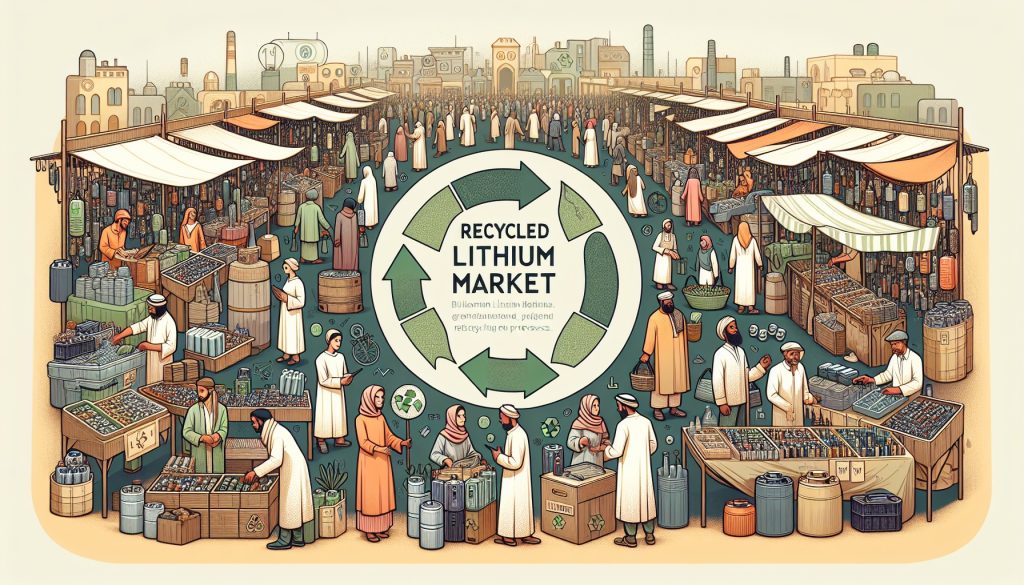
The global energy transition has found its unsung hero in an unexpected place: the growing mountain of discarded lithium-ion batteries. As electric vehicle adoption accelerates and renewable energy storage demands soar, the recycled lithium market has emerged as a critical component of sustainable technology infrastructure, promising to reshape how we think about resource scarcity and environmental responsibility.
Traditional lithium extraction through hard rock mining and brine evaporation has long been criticized for its environmental impact and geographical limitations. These conventional methods require massive water consumption, generate substantial carbon emissions, and concentrate supply chains in politically sensitive regions. The recycled lithium market offers a compelling alternative that addresses these vulnerabilities while creating new economic opportunities from waste streams that were previously considered disposal challenges.
Recent technological breakthroughs have dramatically improved the economics of lithium recovery from spent batteries. Advanced hydrometallurgical processes now recover over 95% of lithium content from end-of-life batteries, compared to just 50% recovery rates achieved by earlier recycling methods. Direct recycling techniques, which preserve the crystal structure of cathode materials, have proven even more promising by maintaining battery performance while reducing processing energy requirements by up to 80% compared to traditional smelting approaches.
Market dynamics are driving unprecedented investment in recycling infrastructure. The price volatility of virgin lithium, which has experienced dramatic swings over the past several years, has motivated battery manufacturers to secure stable, domestically sourced recycled materials. Major automotive companies have signed long-term supply agreements with recycling firms, guaranteeing steady feedstock through battery take-back programs and creating circular supply chains that reduce dependence on imported raw materials.
The scale of opportunity in the recycled lithium market becomes apparent when considering the projected wave of battery retirements. Industry analysts estimate that by 2030, over 11 million tons of lithium-ion batteries will reach end-of-life globally, containing approximately 500,000 tons of recoverable lithium carbonate equivalent. This represents nearly half of current annual lithium production capacity, creating a substantial secondary supply source that could significantly impact global lithium markets.
Geographic advantages make recycled lithium particularly attractive for regions with limited natural lithium resources but substantial battery waste generation. North America and Europe, which import the majority of their lithium requirements, are developing robust recycling industries that promise greater supply security and reduced transportation emissions. Government policies supporting domestic battery supply chains have accelerated permitting processes and provided financial incentives for recycling facility development.
Quality improvements in recycled materials have eliminated historical performance concerns that limited market acceptance. Battery-grade lithium carbonate and lithium hydroxide produced from recycling now meet the same purity specifications as virgin materials, while some recycled cathode materials demonstrate superior performance characteristics due to optimized processing conditions. This quality parity has opened premium market segments previously reserved for newly mined materials.
Environmental benefits extend beyond reducing mining impacts to encompass significant carbon footprint reductions. Life cycle assessments demonstrate that recycled lithium production generates 75% fewer greenhouse gas emissions compared to hard rock mining operations. When combined with renewable energy-powered recycling facilities, the carbon intensity of recycled lithium approaches near-zero levels, aligning with the sustainability goals of clean energy deployment.
Investment capital is flowing rapidly into the sector, with venture funding for battery recycling companies reaching record levels. Several recycling firms have achieved billion-dollar valuations, and public market debuts have generated substantial investor interest. This financial momentum is accelerating technology development, facility construction, and market expansion at unprecedented rates.
The recycled lithium market represents more than just an alternative supply source—it embodies the principles of circular economy thinking that will define sustainable technology development for decades to come. As battery production scales exponentially to support global electrification goals, recycling infrastructure will become as critical as manufacturing capacity. The companies, regions, and investors who recognize this transformation early are positioning themselves at the forefront of the green energy revolution’s next chapter.
