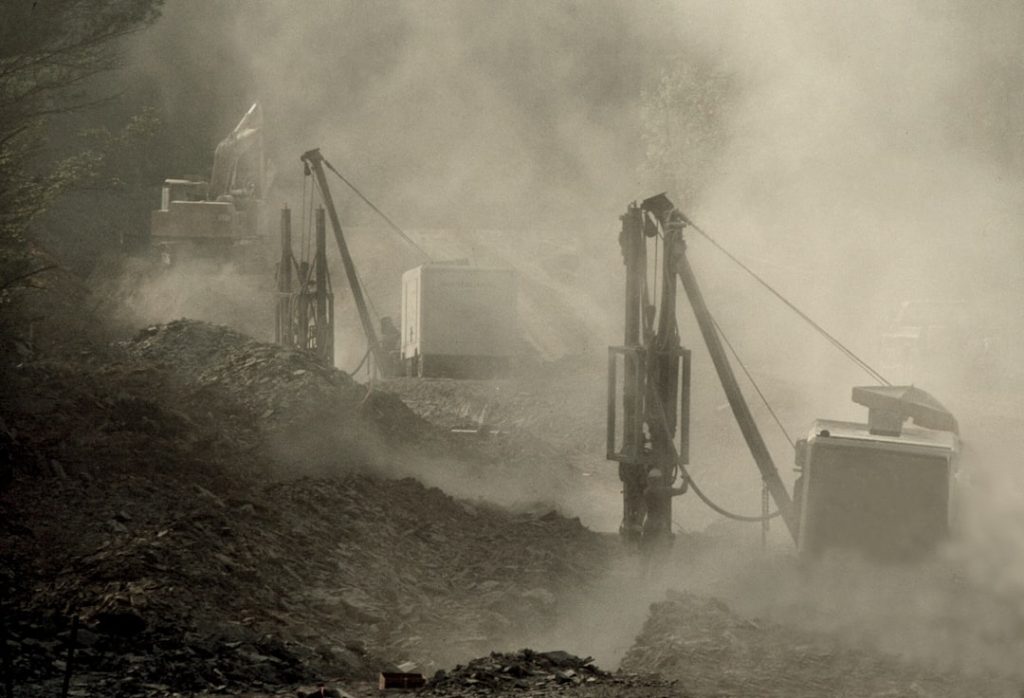
The global lithium industry stands at a technological crossroads. As electric vehicle demand skyrockets and battery storage needs multiply, traditional lithium mining methods struggle to keep pace while minimizing environmental damage. Enter direct lithium extraction—a revolutionary approach that promises to transform how we harvest this critical mineral from brine sources worldwide.
Unlike conventional evaporation ponds that can take 18-24 months to produce battery-grade lithium, direct lithium extraction technologies can process brine in hours or days. This breakthrough represents more than just faster production; it’s reshaping the entire economics of lithium mining while addressing mounting environmental concerns.
Advanced Technologies Drive Extraction Efficiency
Direct lithium extraction employs several cutting-edge technologies to selectively remove lithium from brine sources. Ion exchange resins, membrane filtration, and adsorption technologies work individually or in combination to achieve remarkable results. These methods can extract up to 90% of available lithium from brine, compared to traditional evaporation ponds that typically capture only 30-50%.
Leading companies have developed proprietary approaches that target lithium ions specifically, leaving other valuable minerals like potash and magnesium intact for additional revenue streams. Membrane-based systems use selective permeability to separate lithium chloride, while advanced sorbent materials create molecular-level filters that trap lithium atoms with unprecedented precision.
Environmental Benefits Transform Mining Landscapes
The environmental advantages of direct lithium extraction extend far beyond reduced processing time. Traditional evaporation ponds consume massive quantities of water—often 500,000 gallons per ton of lithium produced—in regions where water scarcity already poses significant challenges. Direct lithium extraction can reduce water consumption by up to 90%, making operations feasible in previously unsuitable locations.
These technologies also minimize land disruption, requiring substantially smaller surface footprints than conventional operations. In Chile’s Atacama Desert and Argentina’s lithium triangle, where water rights and environmental concerns have sparked community opposition, direct lithium extraction offers a pathway to sustainable production that preserves local ecosystems and respects indigenous water rights.
Global Production Capacity Experiences Rapid Expansion
Major lithium producers are investing billions in direct lithium extraction infrastructure across key brine deposits worldwide. Projects in Nevada, Chile, Argentina, and Bolivia are scaling up commercial operations, with several facilities achieving production capacities exceeding 20,000 tons annually. These developments are reducing lithium supply bottlenecks that have constrained battery manufacturing and electric vehicle production.
The technology’s flexibility allows companies to process previously uneconomical brine sources, including geothermal brines and oilfield wastewater. This expansion of viable lithium resources is helping stabilize global lithium prices while reducing dependence on a small number of traditional production regions.
Economic Implications Reshape Industry Dynamics
The economics of direct lithium extraction are fundamentally altering the lithium market structure. Higher extraction rates and faster processing cycles enable companies to achieve better returns on investment while reducing operational risks associated with weather dependency and seasonal variations that plague evaporation pond operations.
Capital requirements for direct lithium extraction facilities are typically higher than traditional methods, but operational expenses are significantly lower due to reduced water usage, shorter processing times, and higher yields. This cost structure favors companies with access to advanced technologies and sufficient capital for initial infrastructure investments, potentially consolidating market share among technologically sophisticated operators.
Direct lithium extraction represents more than an incremental improvement in mining technology—it’s catalyzing a fundamental shift toward more sustainable, efficient, and scalable lithium production. As battery demand continues accelerating and environmental regulations tighten globally, companies embracing direct lithium extraction are positioning themselves at the forefront of the clean energy transition. The technology’s rapid adoption signals that the future of lithium mining will be defined not by the size of evaporation ponds, but by the sophistication of extraction processes that can deliver both environmental responsibility and economic performance.