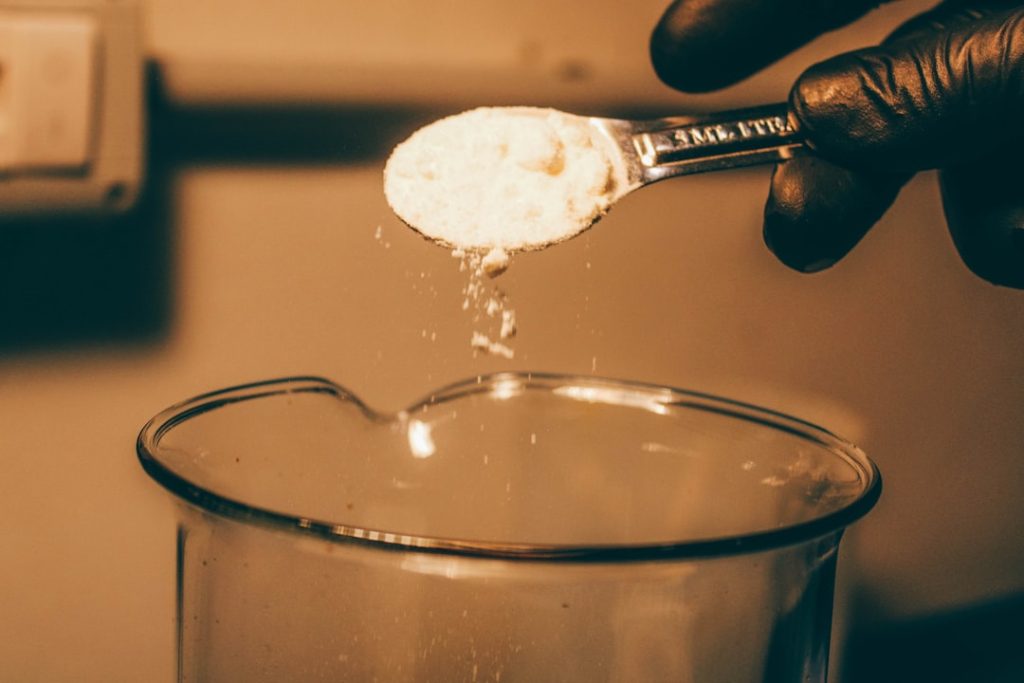
The lithium industry stands at a pivotal juncture as direct lithium extraction technology fundamentally reshapes how companies access this critical battery metal. Traditional evaporation ponds, which require 12-18 months to produce lithium carbonate, are rapidly giving way to innovative extraction methods that can process brine in hours rather than months, marking one of the most significant technological shifts in mining history.
Direct lithium extraction has emerged as the game-changing solution the industry desperately needed. Unlike conventional methods that rely on massive evaporation ponds spanning thousands of acres, these advanced technologies use selective ion exchange, membrane separation, or adsorption techniques to isolate lithium directly from brine sources. The efficiency gains are staggering – while traditional operations achieve lithium recovery rates of 30-60%, direct extraction methods consistently deliver recovery rates exceeding 90%.
Market dynamics are shifting dramatically as major producers embrace this technology. Summit Nanotech, E3 Lithium, and Lilac Solutions have emerged as frontrunners, with their proprietary direct lithium extraction systems attracting billions in investment capital. The technology’s appeal extends far beyond speed – it addresses critical environmental concerns that have plagued traditional lithium operations. Water consumption drops by up to 95%, and the significantly smaller footprint reduces ecosystem disruption in sensitive regions like Chile’s Atacama Desert.
Financial markets have taken notice of these developments, with direct lithium extraction companies commanding premium valuations. The technology’s economic advantages compound over time, as reduced water usage, faster production cycles, and higher recovery rates translate to substantially lower operating costs. Industry analysts project that direct extraction methods could reduce lithium production costs by 20-40% compared to traditional operations, while simultaneously doubling production capacity.
Market Forces Driving Adoption
The urgency surrounding direct lithium extraction stems from an unprecedented surge in lithium demand. Electric vehicle production continues its exponential growth trajectory, while energy storage installations for renewable power systems create additional pressure on supply chains. Current lithium production methods simply cannot scale quickly enough to meet projected demand, creating a supply deficit that could reach 1.5 million tonnes annually by the end of the decade.
Geopolitical considerations further accelerate adoption of direct lithium extraction technology. North American and European governments are prioritizing domestic lithium production to reduce dependence on South American and Chinese supply chains. Direct extraction enables economically viable production from previously marginal brine deposits, including geothermal brines and produced waters from oil and gas operations. This geographic diversification of lithium sources represents a strategic advantage for regions seeking supply chain independence.
Regulatory pressure intensifies the shift toward cleaner extraction methods. Environmental agencies increasingly scrutinize traditional lithium operations, particularly regarding water usage in arid regions. Direct lithium extraction addresses these concerns proactively, offering a pathway to sustainable lithium production that aligns with corporate ESG commitments and regulatory requirements.
Investment Landscape and Future Outlook
Venture capital and private equity firms have deployed over $2 billion into direct lithium extraction startups, recognizing the technology’s potential to disrupt an entire industry. Major mining companies are abandoning traditional expansion plans in favor of direct extraction partnerships and acquisitions. Rio Tinto’s collaboration with multiple technology providers and Exxon Mobil’s entrance into lithium production through direct extraction highlight the technology’s mainstream acceptance.
Technical challenges remain, particularly regarding brine chemistry variations and long-term operational reliability. However, recent pilot projects demonstrate consistent performance across diverse geological conditions. The technology’s modular nature allows for rapid scaling and customization to specific brine compositions, addressing concerns about technological adaptability.
Market intelligence suggests that direct lithium extraction will capture over 60% of new lithium production capacity within the next five years. Early adopters are positioning themselves advantageously, securing premium offtake agreements and establishing technological moats through patent portfolios and operational expertise.
The transformation of lithium production through direct extraction represents more than technological innovation – it signals a fundamental restructuring of global supply chains and competitive dynamics. Companies that successfully deploy this technology will likely dominate the next phase of the lithium market, while those clinging to traditional methods face obsolescence. As battery demand continues its relentless climb, direct lithium extraction stands as the essential bridge between current supply constraints and future energy storage requirements, making it one of the most consequential developments in modern mining history.