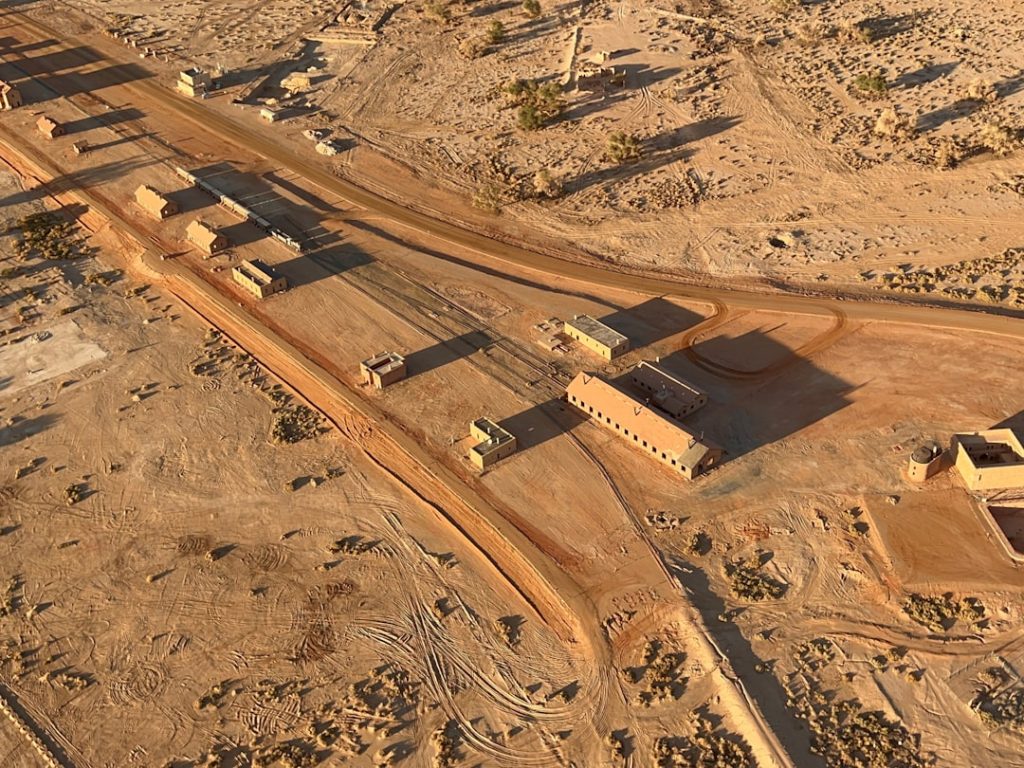
The global lithium landscape is undergoing a dramatic transformation as hard rock mining expansion accelerates across continents, fundamentally altering how the world’s most critical battery metal reaches manufacturers. This shift from traditional brine extraction to solid mineral mining represents more than just a change in extraction methods—it’s reshaping geopolitical dynamics, supply chain reliability, and the future of electric vehicle production.
Traditional lithium production has long relied on evaporation ponds in South America’s lithium triangle, where mineral-rich brines slowly concentrate over months or years. However, this method’s lengthy processing times and dependence on favorable weather conditions have created bottlenecks that simply cannot meet surging global demand. Hard rock mining expansion offers a compelling alternative, extracting lithium from spodumene ore through controlled industrial processes that deliver predictable output regardless of climate conditions.
Australia has emerged as the undisputed leader in this mining revolution, with operations like Greenbushes and Mount Marion demonstrating the scalability of hard rock lithium extraction. These facilities can ramp production up or down based on market demands, providing the flexibility that brine operations simply cannot match. The country’s hard rock mining expansion has positioned it as the world’s largest lithium producer, fundamentally shifting the industry’s geographic center of gravity.
North America is experiencing its own hard rock mining expansion renaissance, with projects across Canada and the United States gaining momentum. The Thacker Pass project in Nevada and various Canadian ventures in Quebec represent strategic moves to establish domestic lithium supply chains, reducing dependence on imports and strengthening regional battery manufacturing ecosystems. This geographic diversification addresses critical supply chain vulnerabilities exposed by recent global disruptions.
The technical advantages of hard rock mining expansion extend beyond mere production speed. Unlike brine operations that require vast water resources and can take decades to reach full production, hard rock facilities can achieve commercial output within years of development. The extraction process also produces lithium concentrates with higher purity levels, reducing downstream processing requirements and improving overall supply chain efficiency.
Environmental considerations are driving additional momentum behind hard rock mining expansion. While all mining activities carry environmental responsibilities, hard rock operations typically require smaller surface footprints than massive evaporation pond complexes. Advanced processing technologies are also reducing water consumption and waste generation, addressing sustainability concerns that increasingly influence corporate procurement decisions.
Market dynamics strongly favor continued hard rock mining expansion as electric vehicle adoption accelerates globally. Battery manufacturers prize the supply reliability and quality consistency that hard rock operations provide, often paying premiums for guaranteed delivery schedules. This demand certainty is attracting substantial capital investment, with mining companies and private equity firms committing billions to new hard rock projects.
The ripple effects of hard rock mining expansion extend throughout the entire lithium value chain. Processing facilities are being built closer to mining operations, creating integrated supply networks that reduce transportation costs and delivery times. Battery manufacturers are adjusting their sourcing strategies to incorporate more hard rock-derived lithium, while automakers are securing direct relationships with mining companies to ensure adequate supplies for their electric vehicle programs.
Looking ahead, hard rock mining expansion appears poised to capture an even larger share of global lithium production. New discoveries in Africa, continued investment in established mining regions, and improving extraction technologies all point toward sustained growth in this sector. As the world transitions toward electrification across transportation, energy storage, and consumer electronics, hard rock mining expansion will likely prove instrumental in meeting the unprecedented lithium demand that lies ahead.
