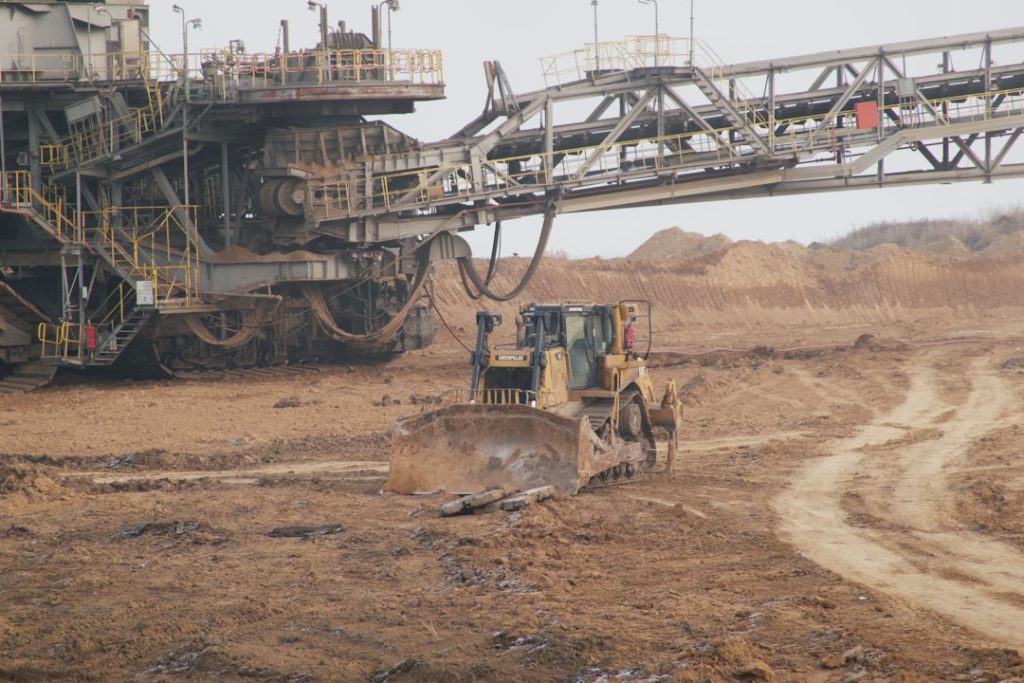
The global lithium landscape is experiencing its most significant transformation in decades as hard rock mining expansion accelerates across continents, fundamentally altering how the world’s most critical battery metal reaches electric vehicle manufacturers and energy storage companies. This seismic shift from traditional brine extraction methods is not just changing production timelines—it’s reshaping geopolitical power dynamics and supply chain strategies for an entire industry.
Traditional lithium extraction from salt flats in South America’s lithium triangle has dominated global production for years, but the lengthy evaporation processes that can take 12-18 months are proving inadequate for surging demand. Hard rock mining expansion offers a compelling alternative, extracting lithium from spodumene ore in a matter of weeks rather than months, creating a more predictable and controllable supply stream that battery manufacturers desperately need.
Australia has emerged as the epicenter of this hard rock mining expansion, with operations in Western Australia’s Pilbara region now producing over 60% of the world’s lithium. Companies like Pilbara Minerals and Mineral Resources have dramatically scaled their spodumene concentrate operations, with several facilities expanding capacity by 200-300% over recent years. These expansions have proven so successful that similar projects are now proliferating across North America, Africa, and Europe.
The economic advantages driving hard rock mining expansion extend far beyond speed. Unlike brine operations that require specific geological conditions and favorable weather patterns, hard rock mining can operate consistently regardless of climate variables. This reliability has attracted billions in investment capital, with major mining corporations pivoting resources toward spodumene projects. The predictable output schedules allow downstream processors to plan more effectively, reducing the volatile price swings that have plagued lithium markets.
Processing Innovations Drive Efficiency Gains
Recent technological breakthroughs in spodumene processing have made hard rock mining expansion even more attractive. New direct lithium extraction methods can process ore with significantly lower energy consumption than traditional roasting techniques, while advanced flotation technologies have increased recovery rates to over 75% in many operations. These improvements have reduced production costs per ton of lithium carbonate equivalent by approximately 30% compared to five years ago.
The environmental considerations surrounding hard rock mining expansion have also evolved substantially. Modern operations incorporate sophisticated waste management systems, water recycling technologies, and land rehabilitation programs that address many historical concerns about mining’s ecological impact. Some facilities now achieve near-zero freshwater consumption through closed-loop processing systems, a stark contrast to brine operations that can consume millions of gallons of water in water-scarce regions.
Supply Chain Security Reshapes Strategic Planning
The geopolitical implications of hard rock mining expansion cannot be overstated. Countries with limited lithium resources are investing heavily in domestic hard rock projects to reduce dependence on imports from politically sensitive regions. Canada’s emerging lithium corridor, stretching from Quebec to Ontario, exemplifies this strategic thinking, with government backing for projects that promise to supply North American battery plants without complex international supply chains.
European nations are following similar strategies, fast-tracking permitting processes for hard rock lithium projects in Finland, Portugal, and the Czech Republic. These initiatives aim to establish regional lithium self-sufficiency as electric vehicle adoption accelerates and energy storage deployment expands across the continent. The European Union’s Critical Raw Materials Act has specifically prioritized hard rock mining expansion as essential for economic security.
Processing capabilities are expanding alongside mining operations, with new lithium hydroxide and carbonate facilities being constructed near major hard rock mining sites. This vertical integration reduces transportation costs and processing delays while creating more resilient supply chains. Several major automotive manufacturers have signed long-term offtake agreements directly with hard rock mining operations, bypassing traditional commodity markets to secure dedicated supply streams.
The momentum behind hard rock mining expansion shows no signs of slowing as global lithium demand projections continue climbing. Industry analysts project that hard rock sources will account for over 70% of global lithium production within the next five years, representing a complete reversal from historical patterns. This transformation is creating opportunities for new players while challenging established brine producers to innovate or risk losing market share in an increasingly competitive landscape where speed, reliability, and supply security have become the ultimate differentiators.