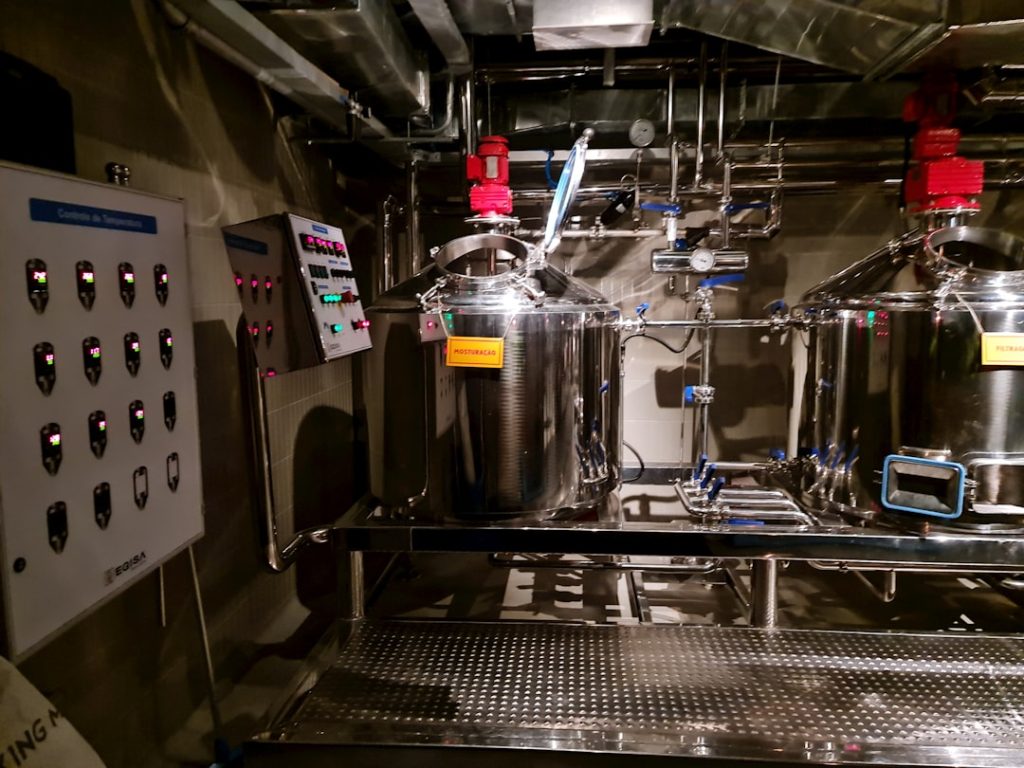
The lithium market has entered a new phase where technical prowess matters more than resource size, and nowhere is this shift more evident than in the growing focus on brine extraction efficiency. While investors once fixated primarily on the scale of lithium reserves, today’s market leaders understand that the ability to extract lithium cost-effectively from brine deposits determines long-term profitability and competitive advantage.
Traditional lithium extraction from brine has relied on solar evaporation ponds, a process that can take 12 to 18 months and achieves recovery rates of only 30-60%. This lengthy timeline and modest efficiency have created bottlenecks that newer technologies are designed to overcome. Companies investing in advanced brine extraction efficiency technologies are positioning themselves to capture significantly more value from existing resources while reducing operational costs and environmental impact.
The financial implications of improved brine extraction efficiency extend far beyond simple cost savings. Enhanced recovery rates can effectively multiply the economic value of existing brine deposits without requiring additional exploration or land acquisition. A company that increases its extraction rate from 40% to 80% has essentially doubled its resource base from an economic standpoint, creating immediate value for shareholders while extending the productive life of their assets.
Direct lithium extraction (DLE) technologies represent the most significant advancement in brine extraction efficiency in recent years. These systems can recover 90% or more of available lithium while reducing processing time from months to hours or days. Companies successfully implementing DLE technologies are reporting production costs below traditional methods while achieving higher purity levels that command premium pricing in battery-grade lithium markets.
The competitive landscape increasingly favors companies with superior brine extraction efficiency as global lithium demand continues its upward trajectory. Electric vehicle manufacturers and battery producers are establishing long-term supply agreements with lithium producers who can guarantee consistent, high-quality output. Companies struggling with inefficient extraction processes find themselves at a significant disadvantage in securing these valuable contracts that provide revenue stability and growth visibility.
Environmental considerations add another layer of importance to brine extraction efficiency improvements. Traditional evaporation pond methods consume vast quantities of water in regions where this resource is often scarce. Advanced extraction technologies can reduce water consumption by up to 95% while minimizing the environmental footprint of lithium operations. This environmental advantage is becoming increasingly valuable as regulatory scrutiny intensifies and communities demand more sustainable mining practices.
The technology gap in brine extraction efficiency is creating distinct winners and losers in the lithium sector. Companies that have invested early in advanced extraction technologies are achieving production costs below $4,000 per ton, while those relying on traditional methods face costs exceeding $8,000 per ton. This cost differential provides sustainable competitive advantages that strengthen with scale and operational experience.
Regional dynamics also play a crucial role in the brine extraction efficiency story. South American lithium producers in the “lithium triangle” are racing to implement advanced technologies to maintain their cost leadership position. Meanwhile, North American and European companies are using superior extraction efficiency to offset higher labor and regulatory costs, making previously uneconomical deposits financially viable.
The investment thesis around brine extraction efficiency extends beyond individual company performance to broader market dynamics. As lithium prices experience volatility, companies with the highest extraction efficiency maintain profitability across wider price ranges, providing more stable investment returns. This operational resilience becomes particularly valuable during market downturns when marginal producers face financial pressure.
Looking ahead, brine extraction efficiency will likely determine which lithium companies can scale successfully to meet exploding demand from the energy transition. Companies that master these technologies today are building the foundation for decades of profitable growth, while those that lag behind face an increasingly challenging path to competitiveness. For investors seeking exposure to the lithium boom, understanding and evaluating brine extraction efficiency has become as important as assessing reserve quality or management expertise.