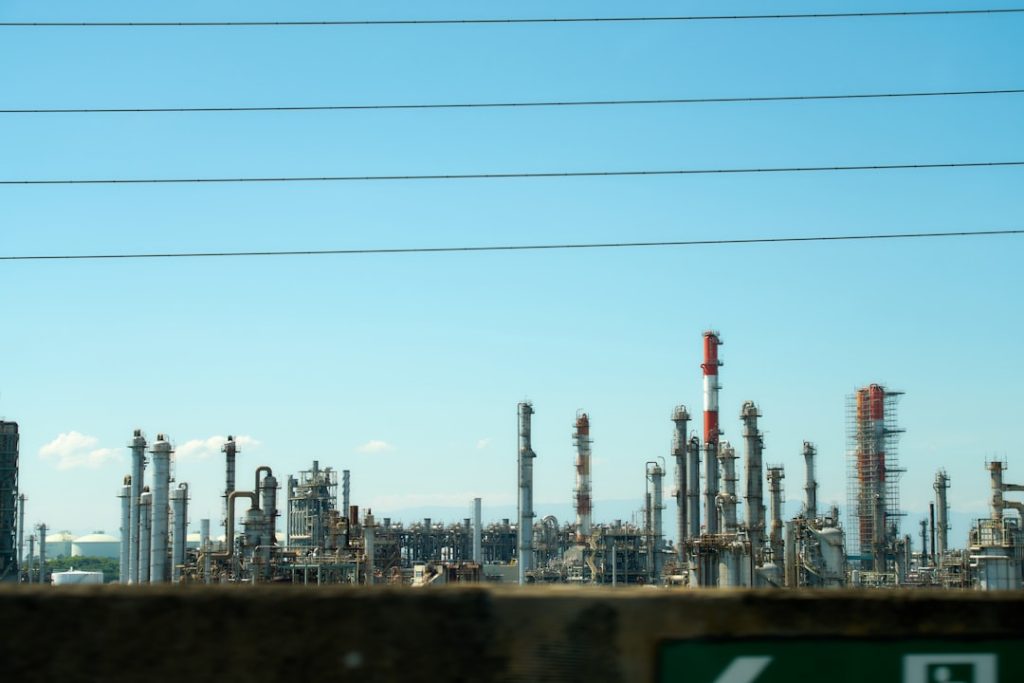
The lithium industry stands at a pivotal moment as refinery expansion news continues to dominate headlines across global markets. Recent announcements of massive processing facility upgrades and new construction projects are fundamentally altering the landscape of lithium production, promising to address critical supply chain bottlenecks that have plagued the sector for years.
As electric vehicle adoption accelerates and battery technology advances, the strategic importance of lithium refining capacity has never been more apparent. The latest wave of refinery expansion news suggests that industry leaders are finally positioning themselves to meet unprecedented demand while potentially reshaping global supply dynamics.
Major Refinery Projects Reshaping Production Capacity
The scale of current lithium refinery expansion initiatives is unprecedented in the industry’s history. Leading producers are announcing multi-billion-dollar investments in processing facilities across key regions, with planned capacity increases that could double global refining output within the next five years. These expansions encompass both hydroxide and carbonate production lines, addressing the diverse needs of battery manufacturers and industrial applications.
Recent refinery expansion news from Australia reveals plans for facilities capable of processing over 100,000 tonnes annually, while North American projects are targeting similar scales. Chinese companies are simultaneously expanding their domestic processing capabilities while establishing international partnerships to secure raw material access. This geographical diversification of refining capacity represents a strategic shift away from the historically concentrated production model.
Technology Innovations Driving Efficiency Gains
Modern lithium refineries incorporate cutting-edge processing technologies that significantly improve extraction efficiency and reduce environmental impact. Direct lithium extraction (DLE) methods are being integrated into expansion plans, promising faster processing times and higher yield rates compared to traditional evaporation techniques. These technological advances enable refineries to process previously uneconomical lithium sources, effectively expanding the global resource base.
The integration of automated systems and artificial intelligence in new refinery designs is optimizing production workflows and minimizing operational costs. Advanced monitoring systems ensure consistent product quality while reducing waste generation, addressing sustainability concerns that have become increasingly important to investors and regulatory bodies. These innovations position expanded facilities to compete effectively in an increasingly price-sensitive market.
Supply Chain Impact and Market Dynamics
The surge in refinery expansion news is already influencing lithium pricing patterns and supply agreements throughout the industry. Battery manufacturers are securing long-term offtake contracts with expanding refineries, providing the financial certainty needed to justify massive infrastructure investments. This trend toward vertical integration is reducing market volatility while ensuring more predictable supply chains for downstream applications.
Regional capacity additions are also shifting traditional trade flows, with new refineries enabling local processing of previously exported raw materials. This trend enhances supply chain resilience by reducing dependence on single-source suppliers and minimizing transportation-related disruptions. The strategic placement of new facilities near major battery manufacturing hubs is further optimizing logistics costs and delivery timelines.
Investment Implications and Future Outlook
Financial markets are responding positively to refinery expansion news, with investors recognizing the strategic value of processing capacity in the lithium value chain. Companies with confirmed expansion projects are attracting premium valuations, while partnerships between miners and refiners are creating new investment opportunities. Government support through subsidies and tax incentives is accelerating project timelines and reducing capital requirements.
The competitive landscape is evolving as traditional mining companies expand into refining operations, challenging established processors. This vertical integration trend is creating more resilient business models while potentially improving profit margins throughout the supply chain. Early movers in capacity expansion are positioning themselves to capture disproportionate market share as demand continues growing.
The transformative impact of current refinery expansion news extends far beyond simple capacity additions, representing a fundamental restructuring of the global lithium industry. As these ambitious projects progress from planning to production, they promise to eliminate longstanding supply constraints while establishing the infrastructure foundation necessary for the continued growth of electric mobility and renewable energy storage. The companies and regions that successfully execute these expansion strategies will likely emerge as dominant forces shaping the future of clean energy technology.