Chile’s economic landscape is experiencing notable transformations as recent production data unveils significant shifts across key industrial sectors. The latest Chilean production output figures indicate substantial changes in mining, agriculture, and manufacturing that are capturing global investor attention and reshaping market expectations for South America’s most stable economy.
Mining Sector Drives Production Volatility
The mining industry continues to dominate Chilean production output, with copper production showing mixed results across different regions. Northern mining operations have reported increased efficiency gains through technological upgrades, while some southern facilities face operational challenges due to aging infrastructure. Lithium extraction, particularly crucial for global battery supply chains, has expanded significantly with new processing facilities coming online. These developments in Chilean production output are particularly relevant as global demand for electric vehicle components continues surging. The mining sector’s performance directly influences Chile’s export revenues, with copper prices remaining sensitive to production fluctuations. Recent environmental regulations have also impacted extraction timelines, creating both challenges and opportunities for sustainable mining practices.
Agricultural Exports Face Climate and Market Pressures
Chile’s agricultural sector represents another critical component of overall Chilean production output, with wine, fruits, and seafood driving export growth. Wine production has encountered mixed conditions, with some regions experiencing exceptional harvests while others struggle with water availability concerns. Fresh fruit exports, including grapes, cherries, and avocados, continue demonstrating strong international demand, particularly in Asian markets. The salmon farming industry has implemented new sustainability protocols that initially reduced short-term output but promise enhanced long-term productivity. These agricultural shifts in Chilean production output reflect broader global trends toward sustainable food production and changing consumer preferences. Export timing remains crucial, as Chile’s counter-seasonal advantage allows premium pricing during Northern Hemisphere winter months.
Manufacturing and Energy Transition Impacts
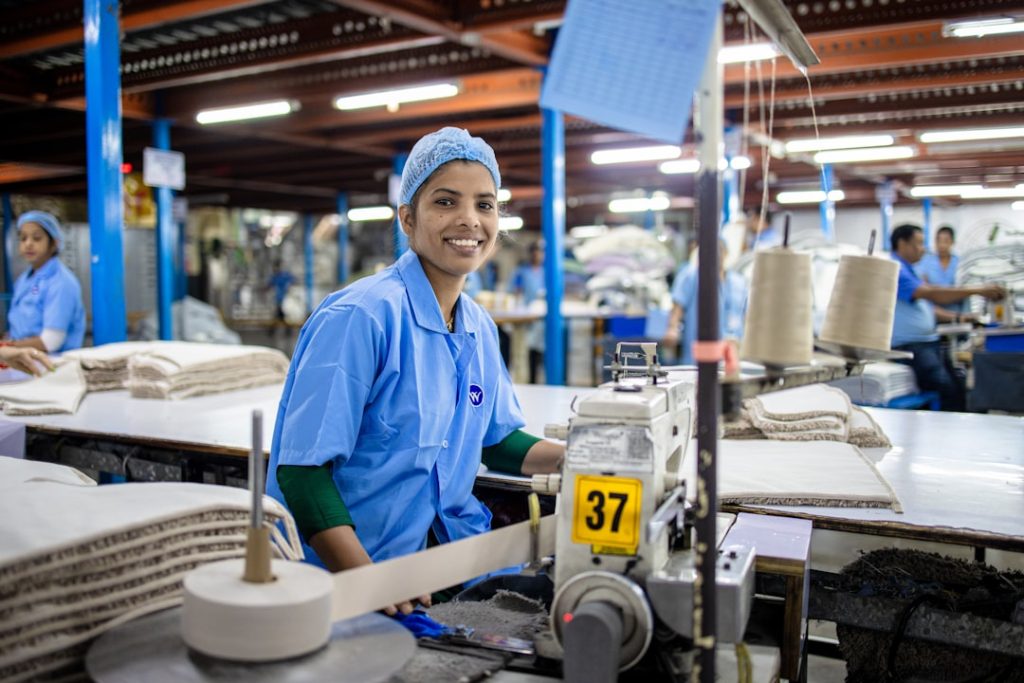
Chilean manufacturing sectors are adapting to renewable energy transitions, affecting traditional production patterns and creating new opportunities. The country’s abundant solar and wind resources are enabling energy-intensive industries to reduce operational costs while meeting international sustainability standards. Textile and food processing facilities have reported improved margins due to lower energy expenses, positively contributing to overall Chilean production output metrics. Green hydrogen projects are attracting significant international investment, positioning Chile as a potential leader in renewable energy exports. These manufacturing developments demonstrate how energy transition strategies can enhance industrial competitiveness while supporting environmental objectives. The integration of renewable energy sources is reshaping production cost structures across multiple industries.
Investment Implications and Market Outlook
Global investors are closely monitoring Chilean production output trends as they signal broader economic health and investment opportunities. Commodity-focused investment funds are adjusting portfolios based on mining production forecasts, while agricultural commodity traders track seasonal output patterns for strategic positioning. Currency fluctuations tied to production performance create additional considerations for international investors with Chilean market exposure. The country’s stable political environment and strong regulatory framework continue attracting long-term capital investments in production infrastructure. Recent trade agreements have opened new export channels, potentially amplifying the impact of increased Chilean production output on international markets. Infrastructure investments in ports, transportation, and processing facilities are expected to enhance production efficiency and export capabilities.
The evolving Chilean production output landscape presents both opportunities and challenges for investors seeking exposure to South American markets. As the country continues balancing traditional industries with sustainable development initiatives, production trends will likely remain volatile yet promising for those understanding sectoral dynamics and global demand patterns.