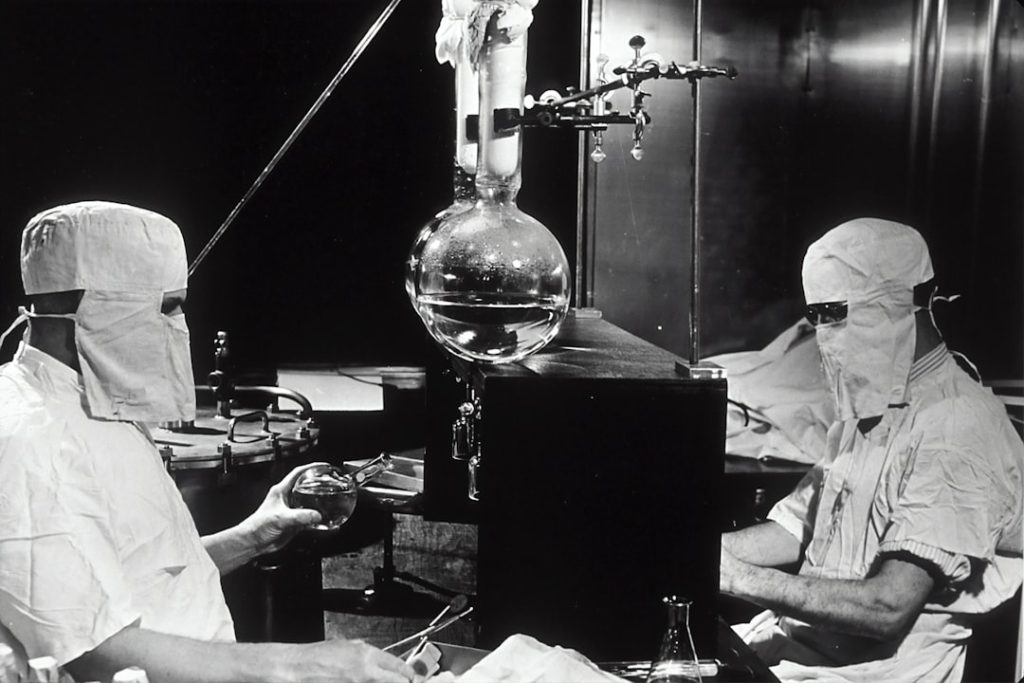
The global lithium industry stands at a pivotal transformation point as revolutionary extraction technologies fundamentally alter how this critical battery metal reaches markets worldwide. Traditional lithium mining methods, which have dominated the industry for decades, are rapidly giving way to innovative approaches that promise faster production timelines, reduced environmental footprints, and dramatically improved economic returns.
Direct lithium extraction represents the most significant breakthrough in lithium production technology, enabling companies to extract lithium from brine sources in hours rather than the months or years required by conventional evaporation pond methods. This technological leap addresses the growing demand for lithium-ion batteries that power everything from electric vehicles to renewable energy storage systems, creating a more responsive and sustainable supply chain.
The impact of direct lithium extraction on global production capacity cannot be overstated. Leading lithium producers are reporting extraction rates exceeding 90% efficiency, compared to traditional methods that typically achieve only 30-50% recovery rates. Companies implementing these advanced technologies can process brine resources that were previously considered economically unviable, effectively expanding the world’s accessible lithium reserves by millions of tons.
Environmental advantages drive much of the industry’s enthusiasm for direct lithium extraction technologies. Traditional evaporation pond operations require vast land areas and consume enormous quantities of freshwater in already arid regions where lithium brines are commonly found. The new extraction methods eliminate the need for massive evaporation ponds, reducing land usage by up to 90% while consuming significantly less water. This environmental efficiency proves particularly crucial in regions like Chile’s Atacama Desert and Argentina’s lithium triangle, where water scarcity affects local communities and ecosystems.
Economic implications extend far beyond individual mining operations as direct lithium extraction reshapes global market dynamics. The technology’s ability to bring new lithium supplies online within 12-18 months, compared to 5-7 years for traditional operations, provides unprecedented flexibility in responding to market demand fluctuations. Battery manufacturers and electric vehicle producers benefit from more predictable lithium pricing and supply stability, enabling better long-term planning and investment decisions.
Technological innovations continue advancing direct lithium extraction capabilities through various methodologies including selective ion exchange, membrane separation, and advanced chemical processing techniques. Each approach offers specific advantages depending on brine composition, geographic location, and scale requirements. Companies are investing billions in research and development to optimize these technologies, with some achieving commercial-scale operations producing thousands of tons of lithium annually.
Geographic diversification represents another transformative aspect of direct lithium extraction adoption. While traditional lithium production concentrated in a few key regions, these new technologies enable economically viable extraction from previously untapped brine resources across North America, Europe, and other continents. This geographic expansion reduces supply chain risks and geopolitical dependencies that have historically characterized lithium markets.
The integration of direct lithium extraction with renewable energy sources further enhances the sustainability profile of modern lithium production. Solar and wind power increasingly drive extraction operations, creating a closed-loop system where clean energy produces materials essential for expanding renewable energy infrastructure. This synergy appeals to environmentally conscious investors and meets growing corporate sustainability requirements throughout the battery supply chain.
Market analysts project that direct lithium extraction technologies will account for over 40% of global lithium production within the next decade, fundamentally altering industry economics and competitive landscapes. Traditional producers must adapt their operations or risk obsolescence as more efficient extraction methods capture market share. This technological disruption mirrors similar transformations in other extractive industries where innovation dramatically improved production efficiency and environmental performance.
The revolution in lithium production through direct extraction technologies marks a defining moment for the global battery materials industry. As these methods scale commercially and costs continue declining, they promise to eliminate supply bottlenecks that have constrained electric vehicle adoption and renewable energy deployment. The convergence of environmental necessity, technological capability, and economic opportunity positions direct lithium extraction as the cornerstone of sustainable lithium production for decades to come, ensuring this critical material can meet humanity’s growing clean energy needs without compromising environmental integrity.
