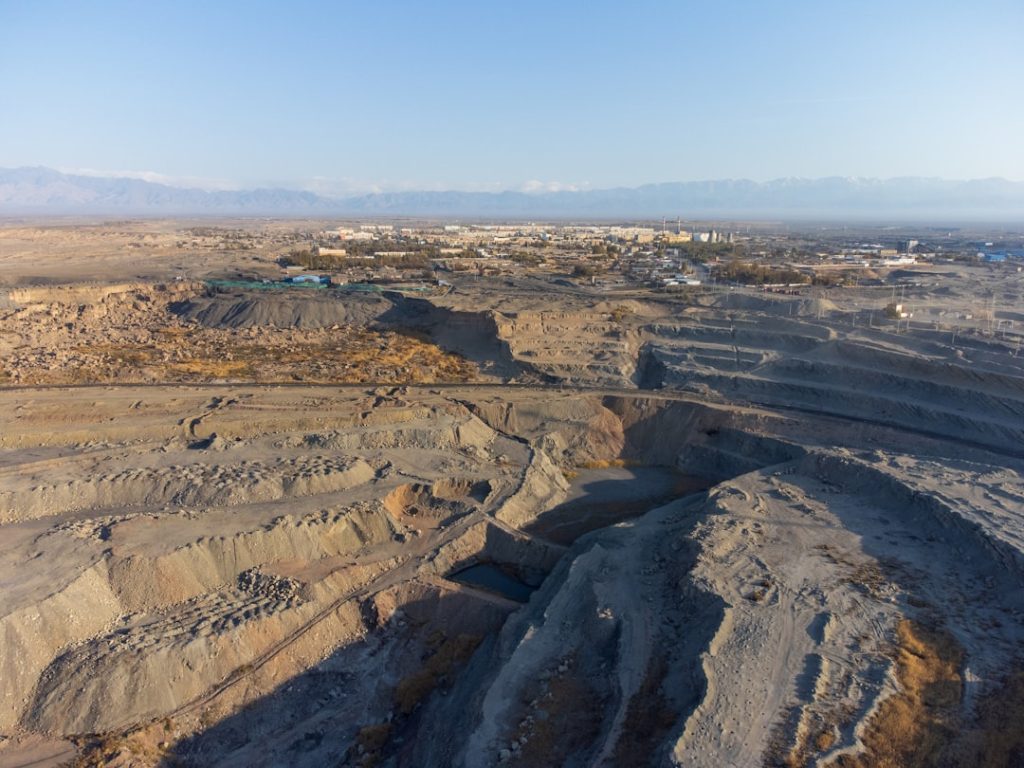
The global lithium landscape is undergoing a dramatic transformation, and at the center of this evolution lies hard rock mining expansion. While traditional brine operations dominated lithium production for decades, a new wave of spodumene-focused mining ventures is capturing the attention of sophisticated investors worldwide. This shift represents more than a simple diversification of extraction methods—it signals a fundamental restructuring of how the world’s most critical battery metal reaches the market.
Traditional lithium brine operations, concentrated primarily in South America’s lithium triangle, require extensive evaporation ponds and processing timeframes that stretch across multiple years. These operations, while cost-effective in stable market conditions, struggle to rapidly scale production in response to surging demand. Hard rock mining expansion offers a compelling alternative, with processing timelines measured in months rather than years and production volumes that can be adjusted more dynamically to market conditions.
The economics driving hard rock mining expansion have become increasingly favorable as lithium prices have stabilized at elevated levels compared to historical norms. Spodumene concentrate, the primary output of hard rock lithium operations, can be processed into lithium hydroxide or lithium carbonate through established chemical conversion processes. This processing flexibility allows hard rock producers to pivot between different lithium compounds based on market demand, particularly as battery manufacturers specify increasingly precise chemical requirements for next-generation battery technologies.
Geographic diversification represents another compelling aspect of the hard rock mining expansion story. Unlike brine operations, which are geologically constrained to specific salt flat regions, spodumene deposits exist across multiple continents. Australia currently leads global hard rock lithium production, but significant deposits in Canada, Brazil, and several African nations are attracting substantial investment capital. This geographic spread reduces supply chain concentration risk, a factor that has become increasingly important to battery manufacturers and automotive companies seeking secure lithium supplies.
The technical advantages of hard rock mining expansion extend beyond production flexibility. Spodumene operations typically produce lithium with fewer impurities compared to brine-derived lithium, reducing downstream processing costs and improving final product quality. These quality improvements have become particularly relevant as battery manufacturers optimize cell chemistries for enhanced energy density and charging performance. Premium pricing for high-purity lithium compounds has created additional revenue opportunities for hard rock producers willing to invest in advanced purification technologies.
Capital market dynamics have aligned favorably with hard rock mining expansion initiatives. Mining companies with proven spodumene reserves have successfully raised substantial funding through equity offerings, debt financing, and strategic partnerships with downstream battery manufacturers. Several major automotive companies have established direct investment relationships with hard rock lithium producers, securing long-term supply agreements while providing development capital. These partnerships create stable revenue foundations that reduce traditional mining industry volatility.
Environmental considerations are increasingly influencing investor sentiment toward hard rock mining expansion. While all mining operations involve environmental trade-offs, modern spodumene operations typically require smaller land footprints compared to extensive brine evaporation systems. Additionally, hard rock mining can be conducted with established water recycling technologies, addressing water usage concerns that have affected some brine operations in water-scarce regions. Progressive mining companies are incorporating renewable energy systems and carbon reduction strategies into their operations, appealing to ESG-focused investment funds.
The competitive landscape surrounding hard rock mining expansion continues evolving as established mining companies compete with newer entrants focused specifically on lithium extraction. Traditional diversified miners bring operational expertise and capital resources, while lithium-focused companies offer more targeted strategic focus and agility. This competition is driving innovation in extraction technologies, processing efficiency, and cost reduction initiatives that benefit the broader industry.
Market analysts project that hard rock mining expansion will account for an increasing share of global lithium production over the coming years, driven by both supply reliability advantages and production scalability. As electric vehicle adoption accelerates and energy storage markets expand, the ability to rapidly scale lithium production becomes increasingly valuable. Hard rock operations, with their shorter development timelines and production flexibility, are positioned to capture a significant portion of this growing demand, making them an essential component of the lithium supply chain story that forward-thinking investors cannot afford to overlook.