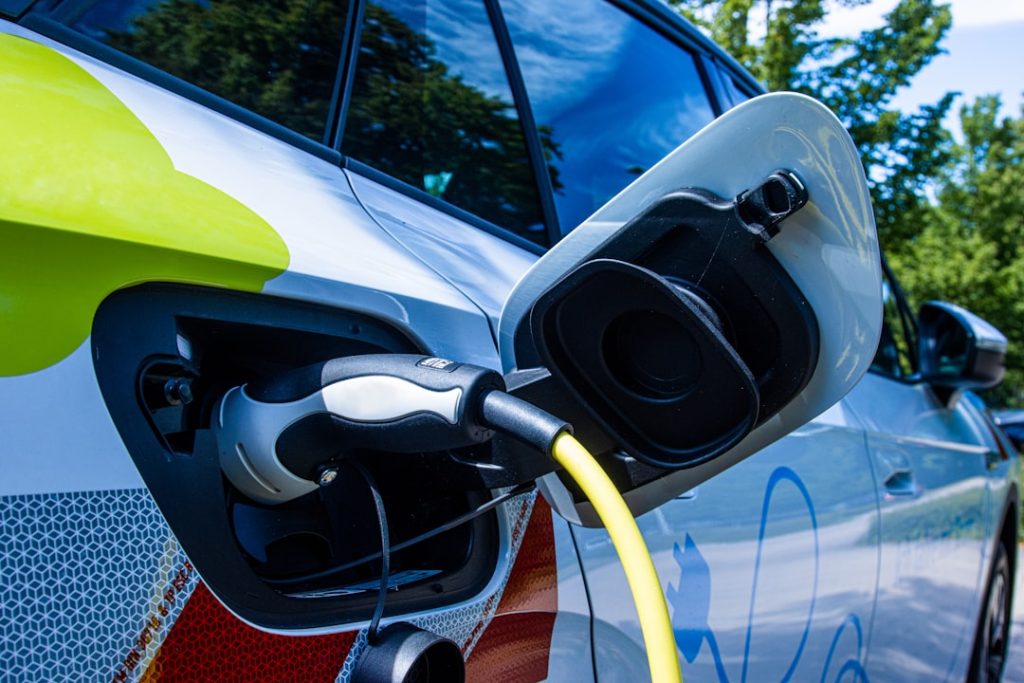
The electric vehicle revolution has reached an inflection point where industry projections no longer capture the velocity of transformation occurring across global markets. What began as an ambitious environmental initiative has evolved into the largest industrial shift since the advent of mass production, fundamentally altering supply chains, commodity markets, and energy infrastructure worldwide.
Current EV demand forecast models indicate that global electric vehicle sales will exceed 35 million units annually by the end of this decade, representing a compound annual growth rate that continues to outpace even the most optimistic predictions from just five years ago. This explosive growth stems not merely from environmental consciousness, but from converging technological breakthroughs, government mandates, and dramatic cost reductions that have made electric vehicles economically superior to internal combustion engines in most markets.
The ripple effects of this transformation extend far beyond automotive showrooms into the heart of global commodity markets, where lithium has emerged as the new oil of the electric age. Mining companies across Australia, Chile, and Argentina are scrambling to expand production capacity, yet supply constraints continue to tighten as battery manufacturers secure long-term contracts at unprecedented prices. This dynamic has created a feedback loop where rising lithium costs initially threatened to slow EV adoption, but instead spurred massive investments in recycling technologies and alternative battery chemistries.
Perhaps most significantly, the latest EV demand forecast data reveals a geographic shift in consumption patterns that is reshaping international trade relationships. While China maintained its position as the world’s largest electric vehicle market, European adoption rates have accelerated beyond all expectations, driven by comprehensive charging infrastructure investments and aggressive internal combustion engine phase-out timelines. Meanwhile, North American markets are experiencing their own surge, particularly in the commercial vehicle segment where fleet operators have discovered that electric trucks deliver superior total cost of ownership despite higher upfront investments.
The clean energy implications of this vehicle electrification extend well beyond transportation emissions. Grid operators worldwide are grappling with the dual challenge of accommodating millions of new electric vehicle charging sessions while simultaneously integrating record levels of renewable energy generation. This convergence has accelerated investments in smart grid technologies, energy storage systems, and demand response programs that treat electric vehicles as mobile energy assets rather than simple consumption devices.
Battery technology advancement continues to exceed expectations, with next-generation lithium iron phosphate and solid-state technologies promising even greater energy density while reducing dependence on scarce materials like cobalt and nickel. These innovations are reshaping the entire EV demand forecast landscape, as improved range and faster charging capabilities eliminate the final barriers preventing mainstream adoption across all vehicle categories.
Infrastructure development has emerged as both a catalyst and constraint in different regional markets. Nations that invested early in comprehensive charging networks are seeing accelerated adoption rates that exceed their own EV demand forecast projections, while regions with inadequate infrastructure face artificial caps on growth despite strong consumer interest. This disparity is driving unprecedented public-private partnerships aimed at rapidly expanding charging accessibility.
The financial markets have responded to these trends by pouring capital into every segment of the electric vehicle value chain, from lithium mining operations to semiconductor manufacturers specializing in power management chips. Venture capital firms are particularly focused on companies developing innovative solutions for battery recycling, wireless charging technologies, and vehicle-to-grid integration systems that could unlock additional revenue streams for electric vehicle owners.
Manufacturing capacity expansion represents another critical factor influencing future market dynamics. Traditional automakers are investing hundreds of billions of dollars in electric vehicle production facilities, while new entrants continue to challenge established players with innovative approaches to design, manufacturing, and customer engagement. This competitive intensity is driving rapid improvements in vehicle quality, feature sets, and pricing that benefit consumers while accelerating overall market growth.
The transformation occurring in global transportation markets represents more than a simple fuel substitution; it signals a fundamental restructuring of how societies generate, distribute, and consume energy. As electric vehicle adoption continues accelerating beyond current EV demand forecast expectations, the convergence of transportation electrification, renewable energy expansion, and digital grid technologies is creating opportunities for entirely new business models and economic structures that will define the next phase of industrial development worldwide.