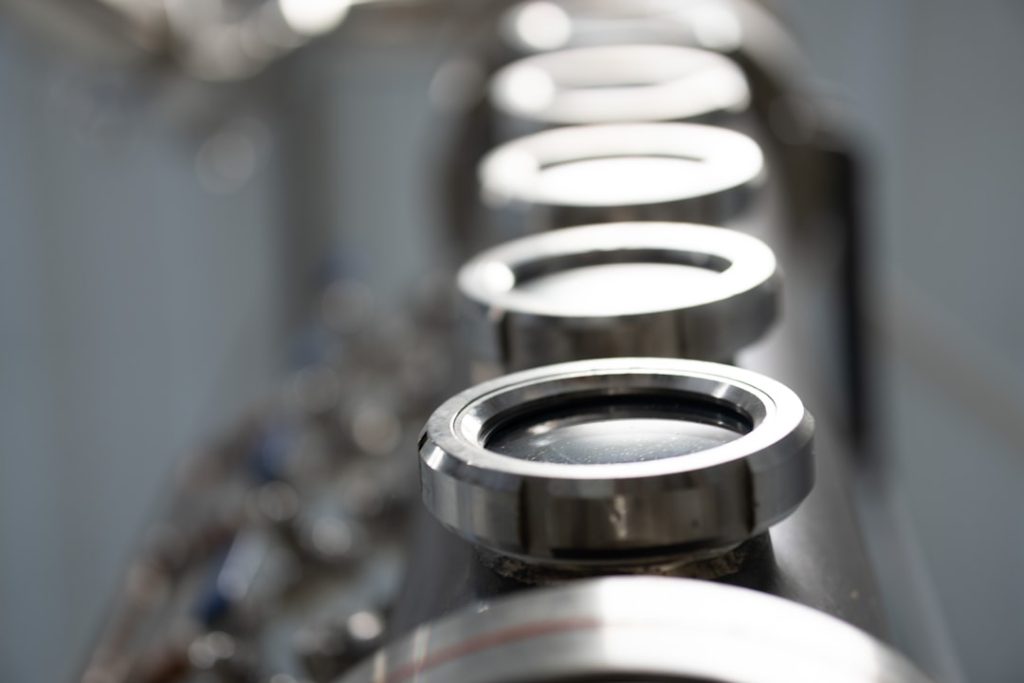
The lithium market has reached a pivotal moment where technology, not just resource availability, determines which companies will dominate the electric vehicle revolution. While traditional mining approaches struggle with environmental concerns and lengthy development timelines, sophisticated investors are laser-focused on one critical metric: brine extraction efficiency. This technical advancement has emerged as the single most important factor separating industry leaders from laggards in the race to secure lithium supply chains.
Lithium brine operations have historically faced a fundamental challenge that has plagued the industry for decades. Traditional evaporation pond methods, while cost-effective, typically recover only 30-50% of available lithium from underground brines. The remaining valuable minerals simply return to the earth or become concentrated waste, representing billions of dollars in lost value across global operations. Modern investors recognize that companies achieving superior brine extraction efficiency rates above 80% hold commanding competitive advantages that translate directly into profit margins and market share.
The financial implications of improved brine extraction efficiency extend far beyond simple resource recovery. Companies implementing advanced direct lithium extraction (DLE) technologies report operational cost reductions of 20-40% compared to conventional methods, while simultaneously reducing water consumption by up to 95%. These efficiency gains create compound value effects that sophisticated institutional investors are pricing into their models with increasing precision. Portfolio managers tracking lithium sector performance consistently highlight extraction efficiency metrics as primary indicators of long-term investment viability.
Recent technological breakthroughs in selective membrane systems and ion exchange processes have fundamentally altered the brine extraction efficiency landscape. Leading operators now deploy modular extraction units that can process brine solutions in hours rather than the 12-18 months required by traditional evaporation methods. This dramatic time compression allows companies to respond rapidly to market demand fluctuations while maintaining consistent product quality standards that battery manufacturers require for their specifications.
Environmental, social, and governance (ESG) considerations have elevated brine extraction efficiency from a purely operational metric to a critical investment screening criterion. Institutional investors managing trillions in assets increasingly demand that portfolio companies demonstrate measurable improvements in resource utilization efficiency. Companies achieving optimal brine extraction efficiency rates typically consume 95% less land area than conventional operations, eliminating the massive evaporation pond complexes that have generated community opposition and regulatory challenges across South America’s lithium triangle.
The geopolitical dimensions of brine extraction efficiency cannot be overlooked in current investment decision-making processes. Nations and companies that master advanced extraction technologies gain strategic independence from volatile global supply chains while building exportable technological capabilities. Countries like Chile and Argentina are implementing new regulatory frameworks that explicitly favor operators demonstrating superior brine extraction efficiency, recognizing that these technologies maximize national resource value while minimizing environmental impact.
Market dynamics are increasingly rewarding companies that achieve breakthrough brine extraction efficiency performance. Battery manufacturers including Tesla, CATL, and LG Energy Solution have begun establishing preferred supplier relationships with lithium producers demonstrating consistent high-efficiency extraction capabilities. These strategic partnerships often include long-term pricing agreements that provide revenue stability and growth predictability that equity investors value highly when making allocation decisions.
Financial analysis reveals that each percentage point improvement in brine extraction efficiency typically translates to 3-5% increases in operational margins for lithium producers. Companies achieving industry-leading efficiency rates above 85% command premium valuations averaging 40-60% higher than competitors using conventional extraction methods. This valuation premium reflects investor recognition that superior extraction efficiency creates sustainable competitive moats that are difficult for competitors to replicate quickly.
The technological arms race surrounding brine extraction efficiency continues accelerating as venture capital and private equity firms pour billions into next-generation extraction startups. Breakthrough technologies including machine learning-optimized ion selection and real-time brine chemistry monitoring promise to push efficiency rates even higher while reducing operational complexity. These innovations are attracting attention from major technology companies seeking to vertically integrate critical battery supply chain components.
As the global transition to electric vehicles accelerates and energy storage demand explodes, brine extraction efficiency has evolved from a technical optimization challenge into the fundamental metric determining which companies will capture the greatest value from the lithium boom. Investors who understand this shift and position their portfolios accordingly are positioning themselves to benefit from one of the most significant resource efficiency revolutions in modern industrial history.
