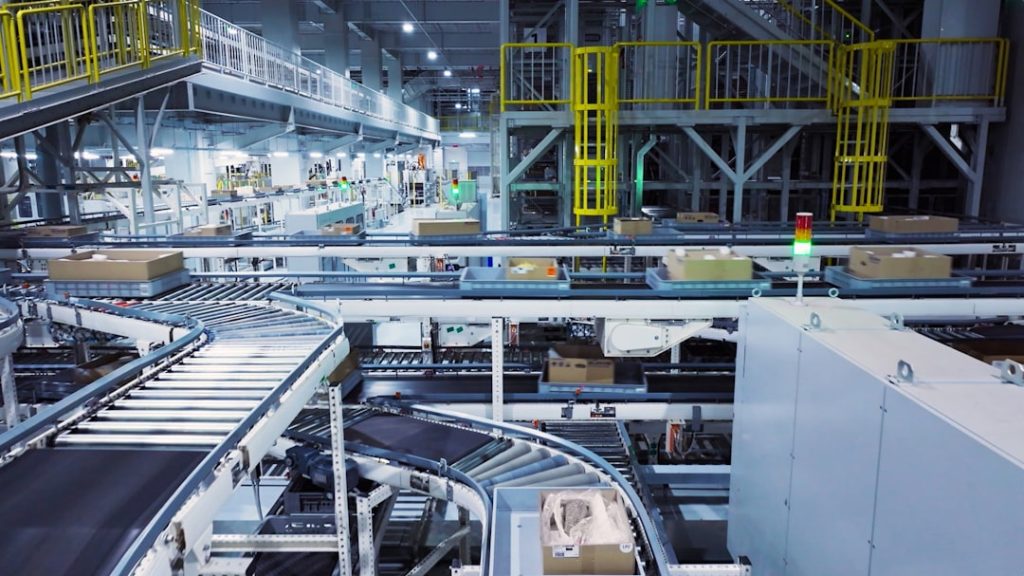
The global battery manufacturing landscape is experiencing unprecedented transformation as major automakers and battery producers negotiate increasingly complex supply agreements to secure critical lithium resources. These strategic partnerships are reshaping how gigafactory supply deal structures evolve in response to surging electric vehicle demand and ambitious clean energy targets worldwide.
Recent market data reveals that lithium prices have reached extraordinary levels, with battery-grade lithium carbonate trading at premiums that would have been unthinkable just five years ago. This price volatility has forced gigafactory operators to fundamentally rethink their procurement strategies, moving away from spot market purchases toward long-term, vertically integrated supply chains that offer greater price stability and guaranteed material availability.
The strategic importance of securing reliable lithium supplies has become particularly evident as governments across North America, Europe, and Asia implement aggressive electrification mandates. Tesla’s recent gigafactory supply deal negotiations with multiple lithium producers exemplify this trend, with the company reportedly willing to pay significant premiums for multi-year supply guarantees. Similarly, Ford, General Motors, and Stellantis have each announced major supply partnerships that extend well into the next decade, recognizing that access to raw materials has become as critical as manufacturing capacity itself.
Industry analysts point to several key factors driving the evolution of these supply agreements. First, the geographical concentration of lithium production in a handful of countries has created supply chain vulnerabilities that automakers are eager to mitigate through diversified sourcing strategies. Second, the technical specifications required for automotive-grade battery materials demand closer collaboration between miners, refiners, and battery manufacturers, leading to more integrated partnership models.
The financial implications of these evolving gigafactory supply deal structures extend far beyond simple commodity pricing. Companies are increasingly incorporating sustainability metrics, carbon footprint considerations, and ethical sourcing requirements into their agreements. These additional criteria often command premium pricing but align with corporate ESG commitments and consumer expectations for responsible manufacturing practices.
Market dynamics suggest that the current supply-demand imbalance in lithium markets will persist for several more years, despite significant investments in new mining projects and recycling technologies. This reality has prompted some battery manufacturers to explore alternative chemistry compositions that reduce lithium dependency, while others are investing directly in mining operations to secure upstream control of their supply chains.
The ripple effects of these strategic shifts are becoming visible across the broader clean energy sector. Solar and wind energy storage projects, which rely heavily on lithium-ion batteries for grid-scale applications, are experiencing cost pressures that threaten project economics. Utility-scale energy storage developers are responding by negotiating their own long-term battery supply agreements, further intensifying competition for limited lithium supplies.
Looking ahead, the success of gigafactory operations will increasingly depend on the sophistication and resilience of their supply chain partnerships. Companies that secure favorable long-term agreements today are positioning themselves for competitive advantages that could persist throughout the decade. As clean energy adoption accelerates and battery demand continues its exponential growth trajectory, the strategic value of well-structured gigafactory supply deal agreements will only increase, making them critical determinants of success in the rapidly evolving electric vehicle and energy storage markets.
