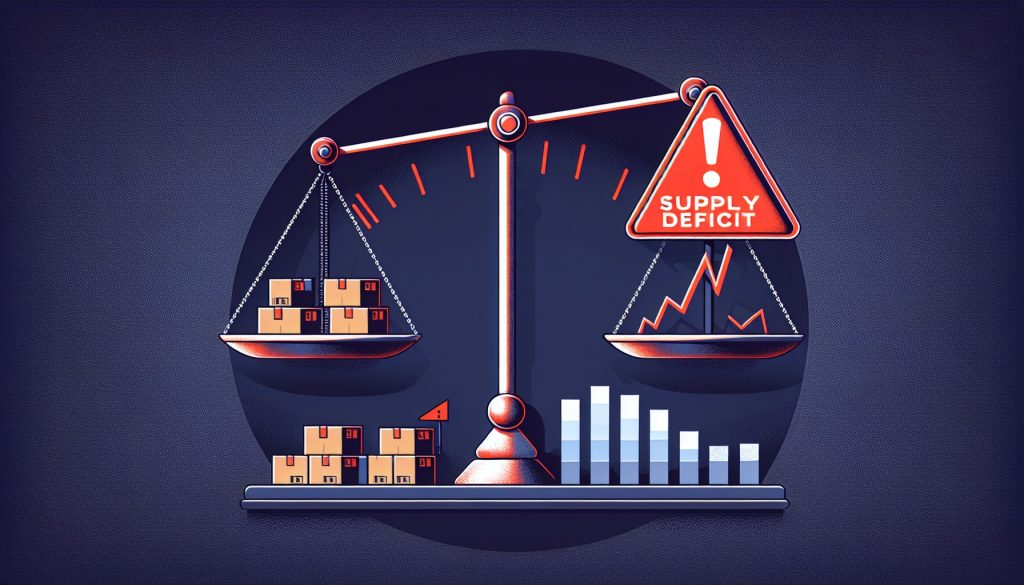
The global lithium market stands at a critical juncture as industry analysts issue an unprecedented supply deficit warning that could fundamentally reshape how we think about energy storage and electric vehicle production. This warning, based on comprehensive data analysis and production forecasts, suggests that demand for lithium will outstrip supply by margins not seen in any other critical mineral sector.
Major mining companies and battery manufacturers have been monitoring lithium reserves with increasing concern as electric vehicle adoption accelerates beyond even the most optimistic projections. The supply deficit warning emerges from a perfect storm of factors: rapidly expanding EV manufacturing, delayed mining project approvals, and geopolitical tensions affecting key lithium-producing regions. Unlike previous commodity shortages that developed gradually, this lithium crisis appears to be approaching with startling speed.
What makes this particular supply deficit warning so significant is the timeline involved. Traditional mining operations require five to ten years from discovery to production, while lithium demand has been doubling every three years. This mathematical impossibility has created a scenario where even if every proposed lithium project received immediate approval and unlimited funding, the supply gap would continue widening through the end of the decade.
The implications extend far beyond simple price increases. Automotive manufacturers are already restructuring their supply chains and forming unprecedented partnerships with mining companies. Some are even acquiring mining operations directly, a move that would have seemed unthinkable just a few years ago. This vertical integration strategy represents a fundamental shift in how technology companies approach raw material security.
Financial markets have begun to reflect the severity of this supply deficit warning, with lithium futures trading at levels that seemed impossible just months ago. Investment funds specializing in critical minerals have seen unprecedented capital inflows as institutional investors recognize that lithium scarcity could persist for years. The ripple effects are already visible in battery technology research, where companies are desperately seeking alternatives or ways to reduce lithium content without sacrificing performance.
Geopolitical considerations add another layer of complexity to the supply deficit warning. The concentration of lithium reserves in a handful of countries creates strategic vulnerabilities that governments are only beginning to understand. National security advisors now regularly discuss lithium supply chains in the same conversations as oil reserves and semiconductor manufacturing capacity. This strategic importance is driving government policies that treat lithium as a national asset rather than a simple commodity.
The response from the mining industry has been swift but insufficient. Despite record investment in exploration and development, the lead times for new lithium projects remain stubbornly long. Environmental regulations, while necessary, add years to project timelines. Local communities increasingly question the environmental impact of lithium extraction, creating additional delays that compound the supply deficit warning.
Technology companies are responding with innovation that could partially mitigate the crisis. Advanced recycling techniques are being developed to recover lithium from spent batteries with increasing efficiency. Some manufacturers are exploring battery chemistries that require less lithium or substitute alternative materials entirely. However, these solutions remain years away from commercial viability at the scale required.
The current supply deficit warning represents more than a temporary market imbalance. It signals a fundamental transformation in how global industries will approach critical material procurement. Companies that successfully navigate this transition by securing reliable lithium supplies or developing alternative technologies will emerge as industry leaders. Those that fail to adapt may find themselves unable to compete in an increasingly lithium-constrained world, making this warning a catalyst for the most significant industry reshuffling in decades.
