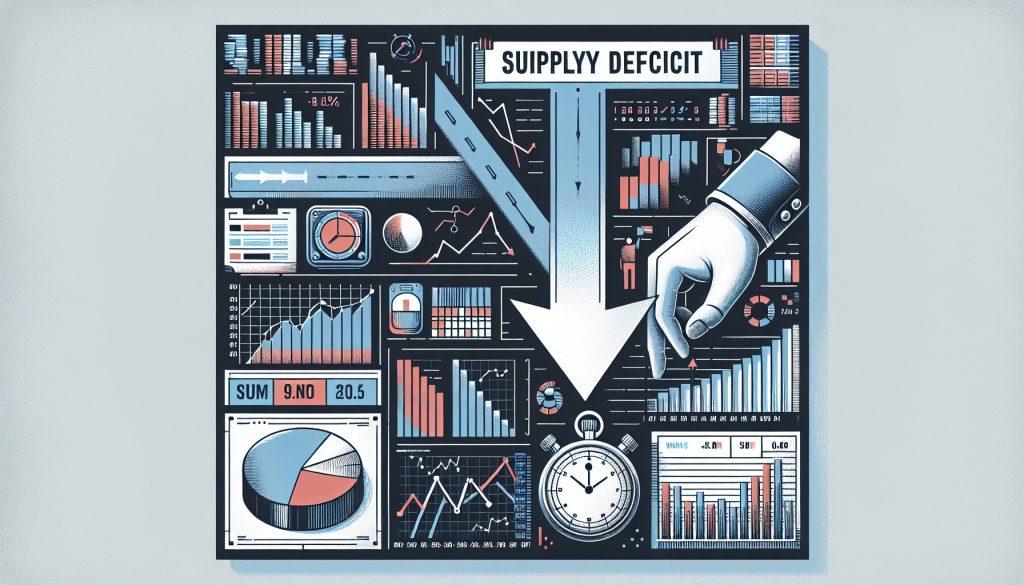
The lithium industry stands at a critical crossroads as mining executives and analysts issue an urgent supply deficit warning that could reshape global battery production. This mounting concern over lithium scarcity has triggered an unprecedented wave of technological innovation, with companies racing to develop revolutionary extraction methods that promise to unlock previously inaccessible reserves.
Recent industry reports indicate that global lithium demand could outstrip supply by 40% within the next five years, primarily driven by the explosive growth in electric vehicle manufacturing and energy storage systems. This supply deficit warning has sent shockwaves through the automotive and technology sectors, where lithium-ion batteries represent the backbone of the green energy transition. Major automakers including Tesla, Ford, and General Motors have already begun securing direct partnerships with mining companies to guarantee future lithium supplies.
The urgency surrounding lithium availability has catalyzed remarkable advances in extraction technology. Traditional hard rock mining and brine evaporation methods, which can take years to establish and require enormous water resources, are being supplemented by cutting-edge techniques that promise faster, more sustainable extraction. Direct lithium extraction (DLE) technology has emerged as a game-changer, capable of pulling lithium directly from brines in hours rather than months while using 90% less water than conventional methods.
Breakthrough Technologies Responding to Market Pressures
The persistent supply deficit warning has attracted billions in venture capital funding to lithium technology startups. Companies like Lilac Solutions and Summit Nanotech have developed proprietary ion-exchange systems that can extract lithium from previously unusable brine sources, including oil field waste water and geothermal reservoirs. These innovations are particularly significant because they can access lithium reserves that were economically unfeasible using traditional extraction methods.
Geothermal lithium extraction represents perhaps the most promising response to the supply deficit warning. This technology harvests lithium from hot underground brines that power geothermal energy plants, creating a dual revenue stream while minimizing environmental impact. Companies operating in California’s Salton Sea and Germany’s Upper Rhine Valley have demonstrated the commercial viability of this approach, with production timelines measured in months rather than the decades typically required for new lithium mines.
Another revolutionary development involves lithium extraction from seawater, which contains virtually unlimited reserves but at extremely low concentrations. Advanced membrane technologies and selective adsorption materials have made oceanic lithium extraction increasingly viable, though commercial scalability remains under development. The supply deficit warning has intensified research funding in this area, with several pilot projects showing promising early results.
Investment Flows and Market Response
The combination of supply deficit warning and technological advancement has created a perfect storm for lithium sector investment. Venture capital firms have poured over $2.8 billion into lithium extraction technologies since the beginning of last year, while mining giants like Albemarle and SQM have established dedicated innovation divisions focused on next-generation extraction methods.
Government agencies have also responded to the supply deficit warning by fast-tracking environmental permits for innovative extraction projects and providing research grants for breakthrough technologies. The U.S. Department of Energy’s recent $3.1 billion commitment to domestic lithium production includes significant funding for companies developing advanced extraction techniques that minimize environmental impact while maximizing yield.
Perhaps most importantly, the supply deficit warning has fundamentally altered the economics of lithium extraction. Methods that were previously considered too expensive or technologically challenging have become commercially attractive as lithium prices remain elevated and supply security becomes paramount for battery manufacturers.
As the lithium industry grapples with the persistent supply deficit warning, the resulting technological revolution promises to transform not just how we extract this critical metal, but where we can find it. From geothermal brines to seawater, from oil field waste to previously uneconomical deposits, innovation is expanding the definition of lithium resources while reducing extraction timelines and environmental impact. The companies that successfully navigate this technological transition will likely emerge as the dominant players in the next phase of the global energy transformation.
