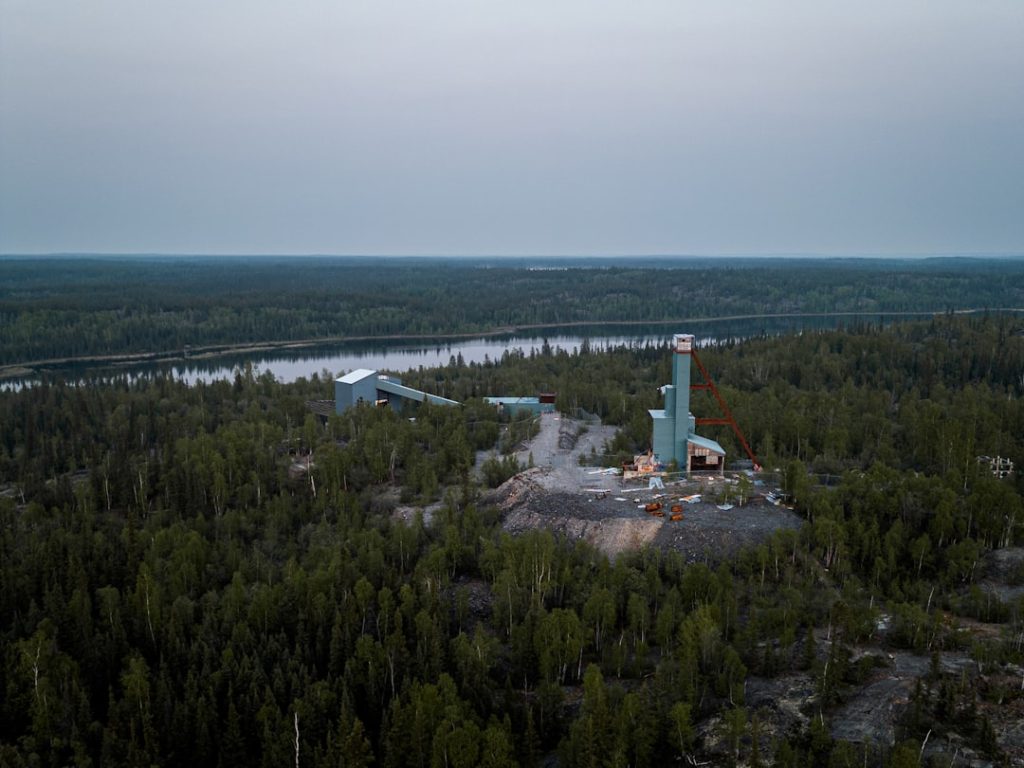
The global lithium landscape is experiencing its most dramatic transformation since the electric vehicle revolution began. While traditional brine extraction methods dominated the industry for decades, hard rock mining expansion has emerged as the driving force reshaping how the world sources this critical battery metal. From Australia’s Pilbara region to emerging projects across North America and Africa, spodumene-focused operations are fundamentally altering supply chain dynamics and challenging long-held assumptions about lithium production economics.
Australia’s position as the world’s largest lithium producer stems directly from its aggressive pursuit of hard rock mining projects. Companies like Pilbara Minerals and Mineral Resources have expanded their spodumene operations to unprecedented scales, with annual production capacities exceeding 500,000 tonnes of lithium carbonate equivalent. This hard rock mining expansion has proven remarkably resilient compared to brine operations, which face extended development timelines and complex evaporation pond requirements. While brine extraction can take 12-24 months from pond to product, hard rock operations can ramp production within months of commissioning processing facilities.
The economic advantages driving hard rock mining expansion extend beyond speed to market. Spodumene concentrate typically achieves lithium carbonate equivalent grades of 6-7%, significantly higher than most brine sources operating at 0.02-0.2% lithium concentrations. This concentration differential translates into smaller physical footprints, reduced water consumption, and more predictable operating costs. Major battery manufacturers including CATL, BYD, and Tesla’s supply chain partners have increasingly structured offtake agreements with hard rock producers, recognizing the strategic value of consistent, high-grade feedstock.
North American hard rock mining expansion represents a particularly significant geopolitical shift in lithium supply chains. Projects like Piedmont Lithium’s North Carolina operations and International Lithium’s Raleigh Lake project in Ontario are positioning North America as a viable alternative to Chinese-controlled supply chains. The Biden administration’s Inflation Reduction Act specifically incentivizes domestic and allied-nation lithium sourcing, creating powerful economic drivers for hard rock mining expansion across the continent. These policy frameworks have attracted over $15 billion in committed investment for North American spodumene projects since early 2024.
African hard rock mining expansion is emerging as another transformative force in global lithium markets. Zimbabwe’s hard rock deposits, particularly the Bikita and Arcadia projects, have attracted significant Chinese investment while also drawing interest from Western battery manufacturers seeking supply chain diversification. The Democratic Republic of Congo’s Manono project, containing some of the world’s largest known spodumene resources, exemplifies how hard rock mining expansion is opening previously untapped regions to large-scale lithium production. These African developments are introducing competitive dynamics that could reshape global pricing structures.
Processing technology innovations have become the critical enabler of successful hard rock mining expansion. Direct lithium extraction from spodumene concentrate has evolved from energy-intensive roasting processes to more efficient sulfuric acid leaching methods. Companies like Albemarle and Livent have invested heavily in next-generation processing facilities that can convert spodumene concentrate to battery-grade lithium hydroxide with recovery rates exceeding 95%. These technological advances have reduced processing costs by approximately 30% compared to traditional methods, making hard rock mining expansion economically competitive with established brine operations.
Environmental considerations surrounding hard rock mining expansion present both challenges and opportunities compared to brine extraction. While hard rock operations generate more solid waste and require greater energy inputs, they typically consume 70-80% less water than equivalent brine operations. This water efficiency advantage has proven crucial in arid regions where brine operations compete with local communities for scarce water resources. Modern hard rock mining expansion projects increasingly incorporate renewable energy sources, with several Australian operations achieving carbon neutrality through solar and wind integration.
The rapid pace of hard rock mining expansion is fundamentally reshaping global lithium supply forecasts and market dynamics. Industry analysts project that spodumene-based production will account for over 60% of global lithium supply by 2028, representing a complete reversal from the brine-dominated landscape of the previous decade. This shift carries profound implications for battery manufacturers, electric vehicle producers, and energy storage developers who must adapt their supply chains to accommodate new geographic sources and processing methods. As hard rock mining expansion continues accelerating across multiple continents, the lithium industry is entering an era of unprecedented supply diversity and competitive intensity that will define the next phase of the global energy transition.