The electric vehicle revolution continues to reshape global markets, with the latest EV demand forecast indicating unprecedented growth that’s driving seismic shifts in lithium mining, battery manufacturing, and clean energy infrastructure. Industry analysts project that global EV sales will surge from 14 million units in 2023 to over 40 million units by 2030, representing a compound annual growth rate of nearly 16%.
This explosive growth trajectory stems from multiple converging factors. Government mandates across major economies are accelerating EV adoption timelines, with the European Union’s ban on internal combustion engine sales taking effect in 2035, while California and several other states have implemented similar deadlines. China, the world’s largest automotive market, continues to lead EV adoption with supportive policies and infrastructure investments that have made electric vehicles increasingly attractive to consumers.
The current EV demand forecast reveals significant regional variations that are reshaping global supply chains. North American EV sales are projected to grow from 1.4 million units in 2023 to approximately 8.5 million units by 2030, driven largely by the Inflation Reduction Act’s tax incentives and substantial investments in domestic battery manufacturing. European markets show similar momentum, with Norway already achieving over 90% EV market share for new vehicle sales and other European nations rapidly following suit.
These projections are creating unprecedented demand for lithium, the critical mineral that powers EV batteries. Current lithium production capacity of approximately 180,000 metric tons annually falls dramatically short of projected needs, which could reach 3 million metric tons by 2030 according to the most aggressive EV demand forecast scenarios. This supply-demand imbalance has sparked a global race to develop new lithium extraction projects, from traditional hard rock mining in Australia and South America to innovative direct lithium extraction technologies being deployed at salt brine operations.
Battery manufacturers are responding to these forecasts by announcing massive capacity expansions. Tesla’s Gigafactory network continues expanding globally, while traditional automakers like General Motors, Ford, and Volkswagen are investing billions in dedicated battery production facilities. The EV demand forecast has also accelerated development of next-generation battery chemistries, including lithium iron phosphate (LFP) and solid-state batteries that promise improved performance and potentially reduced material requirements.
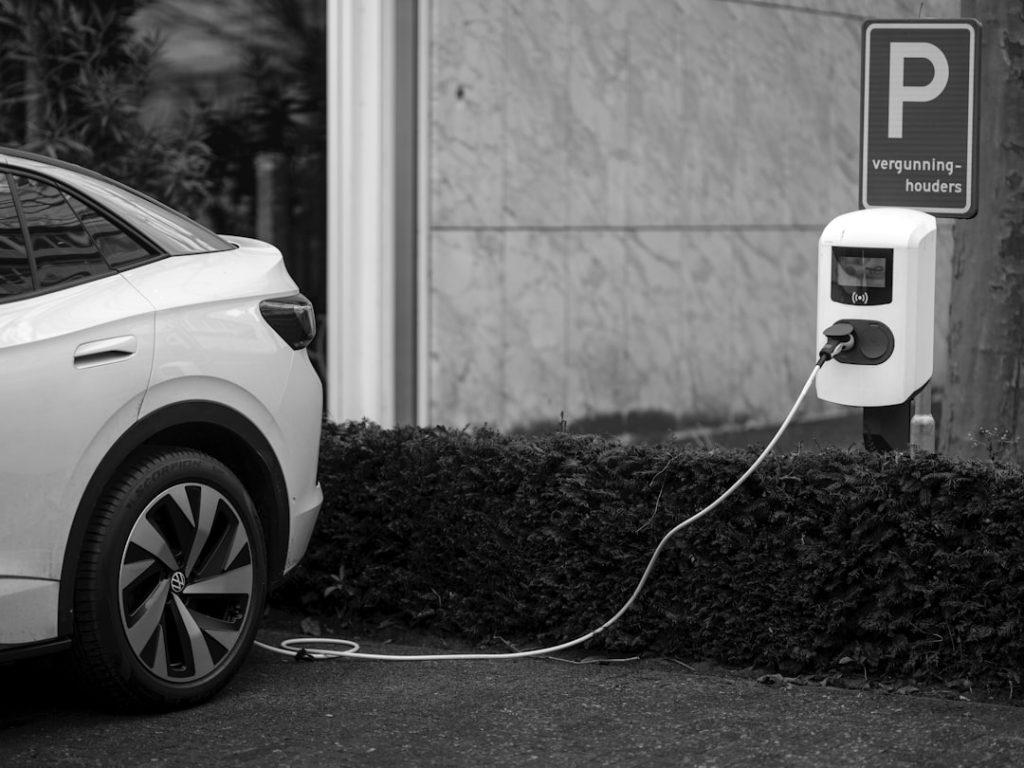
Clean energy infrastructure development is intrinsically linked to EV adoption projections. The International Energy Agency estimates that supporting the forecasted EV fleet will require over 40 million public charging points globally by 2030, up from approximately 2.7 million today. This infrastructure buildout represents hundreds of billions in investment opportunities across utility companies, charging network operators, and renewable energy developers.
The interconnection between EV growth and renewable energy becomes particularly evident when examining grid impact studies. Each million EVs added to the road system increases electricity demand by roughly 3-4 TWh annually, equivalent to the output of a large nuclear power plant. Forward-thinking utilities are using EV demand forecast data to plan renewable energy capacity additions, with many announcing that new EVs will be powered primarily by wind and solar generation.
Geopolitical considerations add complexity to these market dynamics. The concentration of lithium reserves in a few key countries – Chile, Australia, Argentina, and China control over 85% of global production – has prompted major economies to diversify supply chains and invest in domestic processing capabilities. The U.S. Defense Production Act now includes lithium and other battery materials as strategic resources, while European Union initiatives aim to reduce dependence on Chinese battery supply chains.
Recent technological breakthroughs are beginning to influence long-term EV demand forecast models. Advances in battery energy density have extended vehicle ranges beyond 400 miles for premium models, while manufacturing cost reductions are bringing EV purchase prices closer to parity with conventional vehicles. Some analysts suggest that total cost of ownership for EVs will universally favor electric vehicles by 2028, potentially accelerating adoption beyond current projections.
The ripple effects extend far beyond automotive and mining sectors. Shipping companies are investing in specialized vessels to transport lithium compounds, while port authorities are upgrading facilities to handle increased mineral volumes. Insurance markets are developing new risk assessment models for lithium operations, and financial markets are creating innovative funding mechanisms for battery material projects.
As the EV demand forecast continues evolving with technological advances and policy changes, one trend remains constant: the transformation of global energy and transportation systems is accelerating. Investors, policymakers, and industry leaders who understand these interconnected dynamics – from lithium extraction through battery manufacturing to charging infrastructure – are positioning themselves at the forefront of one of the most significant industrial transitions in modern history. The convergence of environmental necessity, technological capability, and economic opportunity suggests that even the most optimistic current forecasts may prove conservative as this transformation unfolds.