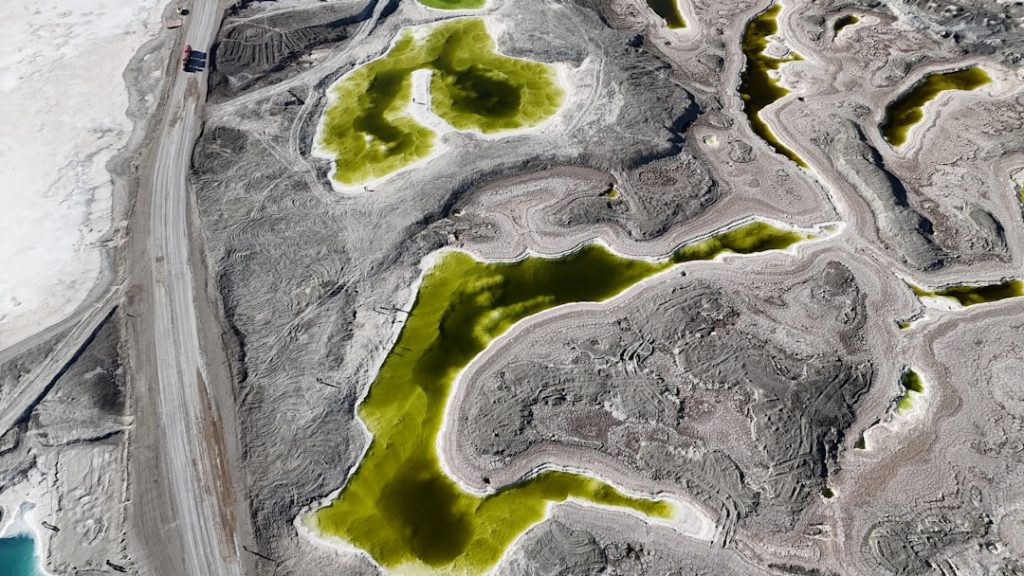
The lithium industry stands at a pivotal moment as direct lithium extraction technologies reshape traditional mining operations and accelerate the global transition to electric vehicles. Unlike conventional evaporation ponds that require 12-18 months to produce battery-grade lithium, direct lithium extraction methods can complete the process in hours or days, fundamentally altering supply chain dynamics and market projections.
Recent market data reveals that direct lithium extraction projects have captured over $2.3 billion in investment commitments since early 2025, with major mining companies pivoting their strategies to incorporate these advanced technologies. The shift represents more than technological advancement—it signals a complete reimagining of how lithium resources can be extracted, processed, and delivered to meet surging demand from the electric vehicle sector.
Leading industry players including Albemarle, SQM, and emerging technology companies have reported significant breakthroughs in direct lithium extraction efficiency rates. Current generation systems demonstrate lithium recovery rates exceeding 85%, compared to traditional evaporation methods that typically achieve 40-60% recovery. This dramatic improvement in resource utilization directly impacts project economics and long-term sustainability metrics that investors increasingly prioritize.
The environmental advantages of direct lithium extraction extend beyond improved recovery rates. Traditional evaporation operations consume approximately 500,000 gallons of water per ton of lithium carbonate produced, while advanced direct extraction systems can reduce water consumption by up to 90%. This water efficiency proves particularly valuable in lithium-rich regions like Chile’s Atacama Desert, where competing demands for limited water resources create complex regulatory and community relations challenges.
Technological innovations driving the direct lithium extraction revolution include selective ion exchange membranes, adsorption-based systems, and electrochemical separation techniques. Companies deploying these technologies report significant reductions in processing time, labor costs, and environmental footprint compared to conventional methods. Summit Nanotech, EnergySource, and Lilac Solutions have emerged as key technology providers, with their systems now operating at commercial scale across multiple continents.
Market analysts project that direct lithium extraction capacity will represent approximately 35% of global lithium production by 2030, compared to less than 5% currently. This rapid adoption reflects not only technological maturity but also changing regulatory environments that favor environmentally responsible extraction methods. Government policies in major lithium-producing regions increasingly require environmental impact assessments that favor direct extraction approaches over traditional mining techniques.
The financial implications for lithium markets extend beyond production efficiency gains. Direct lithium extraction enables development of previously uneconomical brine deposits, effectively expanding the global resource base available for commercial development. Projects in Nevada, Argentina, and Canada that were considered marginal under traditional extraction economics now demonstrate attractive returns when utilizing advanced direct extraction technologies.
Supply chain disruptions that have characterized lithium markets over recent years may find resolution through widespread adoption of direct lithium extraction methods. The technology’s ability to rapidly scale production in response to demand fluctuations provides market participants with unprecedented flexibility. This responsiveness proves particularly valuable as electric vehicle adoption rates vary across global markets and seasonal demand patterns continue evolving.
Investment flows into direct lithium extraction projects indicate strong institutional confidence in the technology’s commercial viability. Private equity firms, sovereign wealth funds, and strategic investors from the automotive sector have committed substantial capital to companies developing and deploying these advanced extraction systems. The investment momentum reflects recognition that direct lithium extraction represents a fundamental competitive advantage in an increasingly crowded lithium market.
As global lithium demand projections continue climbing—with some estimates suggesting a five-fold increase by 2030—direct lithium extraction technologies offer a pathway to meeting this demand while addressing environmental and social concerns that have constrained traditional mining operations. The technology’s maturation from laboratory concept to commercial reality marks a defining moment for the lithium industry, positioning direct extraction as the standard for next-generation lithium production operations worldwide.
