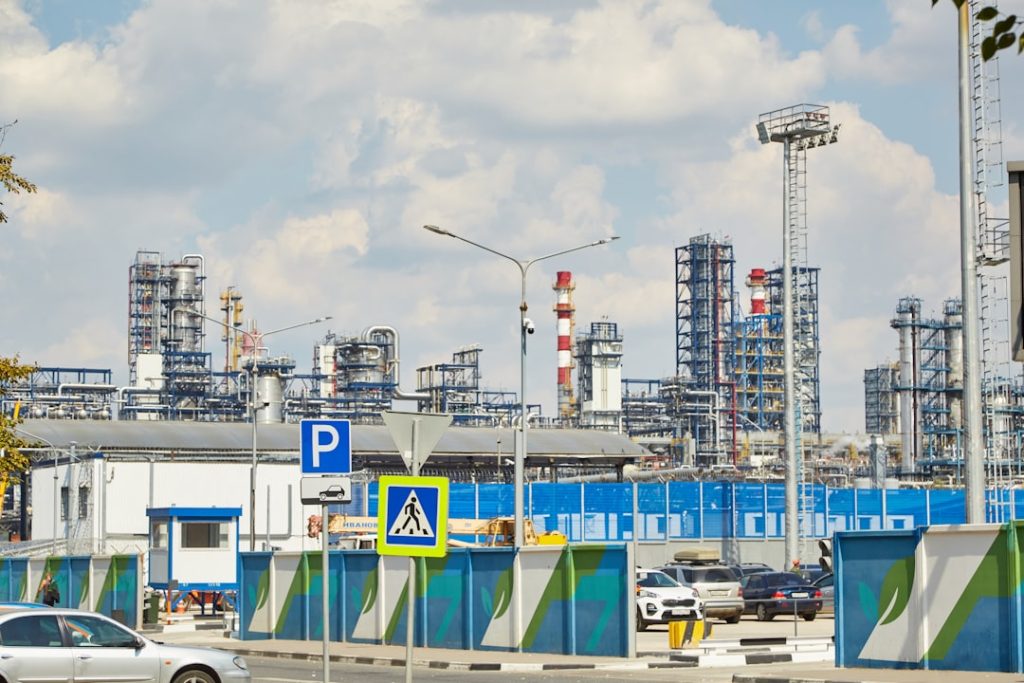
The lithium industry stands at a pivotal moment as recent refinery expansion news signals a fundamental transformation in global processing capabilities. While raw lithium reserves have captured headlines for years, the real bottleneck has been the sophisticated refining infrastructure needed to convert lithium-bearing materials into battery-grade chemicals. This processing gap has created significant supply chain constraints, but emerging developments suggest a dramatic shift is underway.
Current market dynamics reveal the critical importance of refining capacity in the lithium value chain. Despite abundant lithium deposits worldwide, the majority of processing facilities remain concentrated in specific regions, creating geographic vulnerabilities and supply dependencies. The latest refinery expansion news demonstrates how industry leaders and governments are recognising this strategic weakness and taking decisive action to build domestic processing capabilities.
Several major announcements have highlighted the scale of investment flowing into lithium refining infrastructure. Traditional automotive markets are particularly focused on developing local processing capabilities to support their electric vehicle transitions. These expansions represent billions in capital investment and promise to add substantial processing capacity over the next three to five years.
The technical complexity of lithium refining explains why expansion projects require such significant lead times and investment. Converting spodumene concentrate or lithium brines into battery-grade lithium carbonate or lithium hydroxide demands precise chemical processes, environmental controls, and quality assurance systems. Each new facility must meet stringent purity standards required by battery manufacturers, making the recent refinery expansion news particularly significant for supply chain reliability.
Regional diversification emerges as a key theme in current expansion plans. North American projects aim to reduce dependence on Asian processing facilities, while European initiatives focus on creating integrated supply chains from raw materials to finished batteries. Australian developments leverage the country’s dominant position in lithium mining by adding downstream processing capabilities. This geographic spread of refining capacity promises greater supply chain resilience.
The implications extend beyond simple capacity additions. Enhanced refining infrastructure enables more efficient processing of different lithium sources, including lower-grade ores and alternative feedstocks like recycled materials. Advanced facilities incorporate innovative technologies that improve yield rates and reduce environmental impacts, addressing sustainability concerns that have surrounded traditional processing methods.
Market analysts point to the timing of these expansions as particularly crucial. Electric vehicle adoption continues accelerating globally, while energy storage applications create additional lithium demand. The refinery expansion news suggests industry participants are positioning themselves to capture value during this demand surge rather than remaining dependent on external processing capabilities.
Financial markets have responded positively to companies announcing credible expansion plans, recognising the strategic value of processing capabilities. Investors understand that controlling refining capacity provides more stable margins and customer relationships compared to simply mining and selling raw materials. This dynamic is driving competitive expansion across the industry.
Environmental considerations also influence expansion planning. Newer facilities incorporate advanced environmental controls and aim for carbon-neutral operations, addressing regulatory requirements and corporate sustainability commitments. Some projects specifically focus on processing recycled lithium materials, supporting circular economy initiatives while adding refining capacity.
The transformative potential of current refinery expansion news becomes clear when considering the industry’s trajectory. As processing capacity scales up and becomes more geographically distributed, lithium supply chains will gain resilience and efficiency. This infrastructure development could eliminate current bottlenecks that have constrained battery production and electric vehicle adoption, ultimately accelerating the global energy transition while creating more competitive and stable lithium markets.