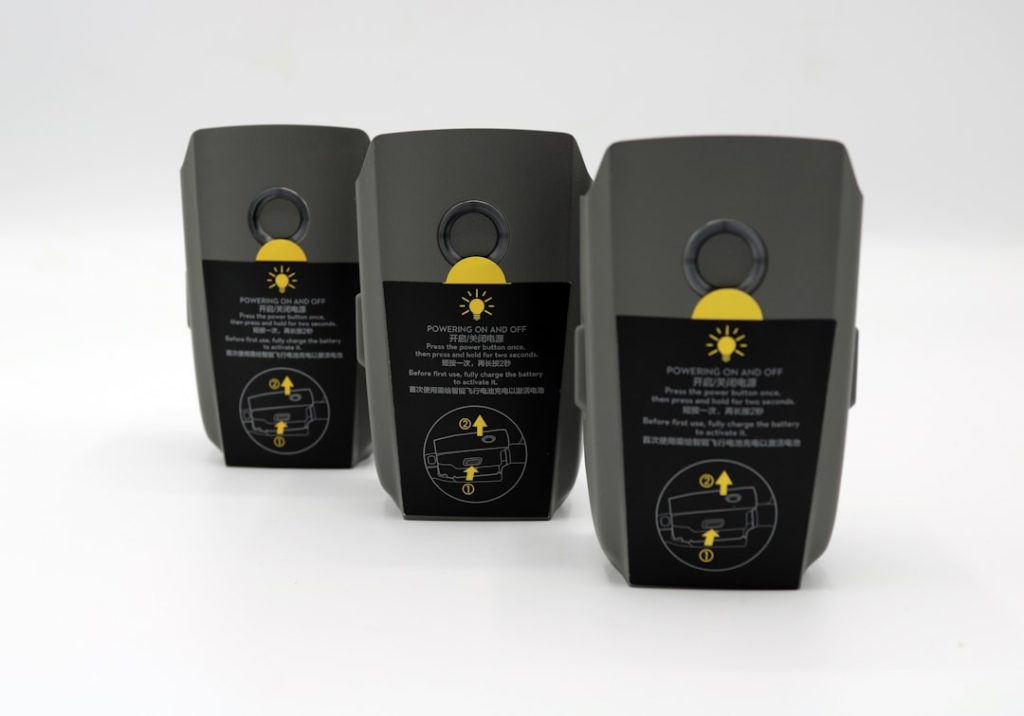
The global battery manufacturing landscape has undergone a dramatic transformation, with unprecedented emphasis on achieving stringent purity standards that separate market leaders from struggling competitors. As electric vehicle adoption accelerates and energy storage demands surge, manufacturers face mounting pressure to demonstrate their commitment to quality through measurable purity achievements.
A battery-grade purity milestone represents far more than a technical specification—it serves as a critical gateway that determines manufacturing credibility, product performance, and market access. These milestones typically involve achieving specific contamination levels measured in parts per million or parts per billion, depending on the material and application. For lithium compounds, achieving 99.5% purity marks the entry-level threshold, while premium applications demand 99.9% or higher purity levels.
Manufacturing consistency emerges as the primary driver behind rigorous purity requirements. When battery manufacturers source materials that meet established purity standards, they gain predictable performance characteristics across production batches. This consistency directly translates into reliable capacity ratings, consistent charging behaviors, and predictable degradation patterns. Without achieving these fundamental purity benchmarks, manufacturers face significant quality control challenges that can derail entire product lines.
The economic implications of reaching a battery-grade purity milestone extend throughout the entire manufacturing operation. High-purity materials enable manufacturers to optimize their production processes, reducing waste and improving yield rates. Clean materials require less intensive processing steps, lower rejection rates, and fewer quality control interventions. These efficiency gains compound over large production volumes, creating substantial cost advantages for manufacturers who prioritize purity from their supply chain partners.
Safety considerations add another crucial dimension to purity requirements in battery manufacturing. Impurities can trigger unexpected chemical reactions, thermal runaway events, or gradual performance degradation that compromises user safety. When suppliers achieve recognized purity milestones, they provide manufacturers with documented assurance that materials meet safety thresholds established through extensive testing and industry collaboration.
Market differentiation increasingly depends on a manufacturer’s ability to demonstrate superior material quality through verified purity achievements. Leading automotive manufacturers now require detailed purity documentation from their battery suppliers, creating cascading requirements throughout the supply chain. Companies that consistently meet or exceed battery-grade purity milestones position themselves as preferred partners for high-value contracts and long-term supply agreements.
Technology advancement within battery chemistry continues to push purity requirements higher, making milestone achievements increasingly challenging and valuable. Next-generation battery designs incorporate advanced materials and manufacturing processes that demand exceptional cleanliness levels. Suppliers who invest in achieving superior purity standards today establish competitive advantages for emerging battery technologies that will dominate future markets.
Quality assurance protocols surrounding purity verification have become sophisticated systems that provide transparency and accountability throughout the manufacturing process. Modern testing methodologies can detect trace impurities at incredibly low levels, enabling manufacturers to document their achievements with precision and confidence. This analytical capability transforms purity milestones from subjective claims into objective, measurable accomplishments.
Supply chain resilience benefits significantly when manufacturers work with suppliers who consistently achieve battery-grade purity milestones. These suppliers typically maintain robust quality management systems, invest in advanced purification equipment, and employ skilled technical teams. This operational sophistication translates into reliable delivery schedules, consistent product specifications, and proactive problem-solving capabilities that strengthen entire supply networks.
The competitive landscape rewards battery manufacturers who prioritize purity excellence through enhanced product performance, reduced warranty claims, and stronger customer relationships. As the industry matures, purity achievements have evolved from technical requirements into strategic business advantages that influence market positioning, pricing power, and growth opportunities. Manufacturers who recognize the critical importance of battery-grade purity milestones position themselves for sustained success in an increasingly demanding marketplace.