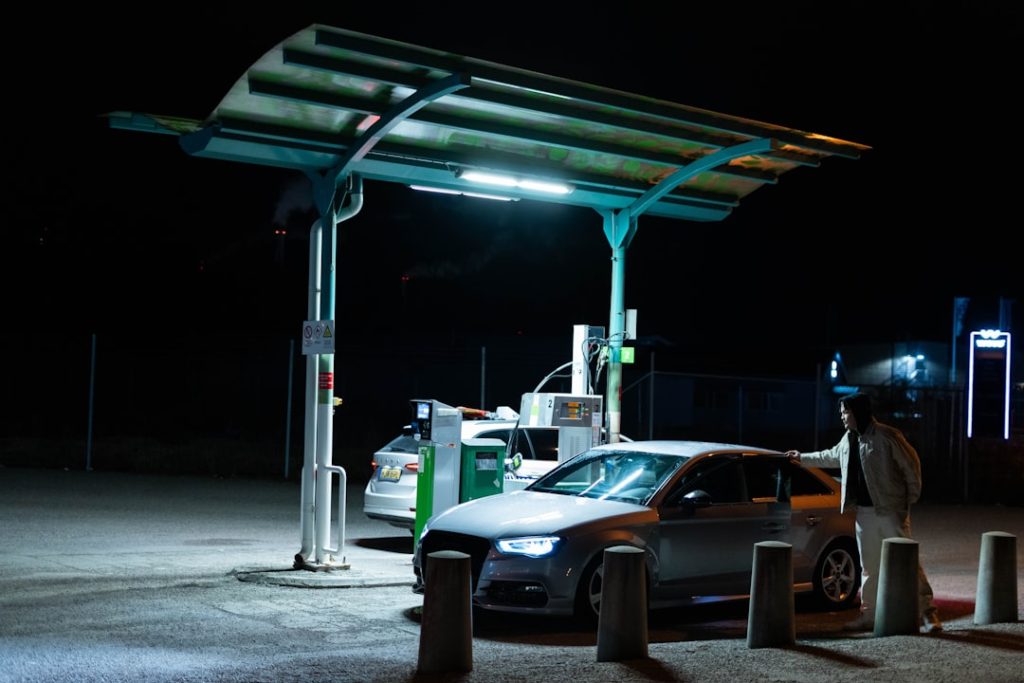
The electric vehicle revolution has reached a critical inflection point, with global sales data revealing unprecedented momentum that’s reshaping entire industries. The latest EV demand forecast indicates we’re witnessing the most dramatic shift in transportation since the invention of the automobile itself, creating massive investment opportunities across green energy infrastructure and lithium mining sectors.
Market analysts are projecting electric vehicle sales will surge by 78% over the next three years, driven by rapidly declining battery costs, expanded charging networks, and increasingly aggressive government mandates. This acceleration has caught many investors off guard, as the EV demand forecast models from just two years ago are proving conservative compared to actual adoption rates across major markets including China, Europe, and North America.
The ripple effects extend far beyond automotive manufacturing. Lithium prices have experienced extraordinary volatility as mining companies struggle to scale production fast enough to meet surging demand from battery manufacturers. Current lithium carbonate prices hover near historic highs, yet supply chain experts warn that even these elevated levels may not adequately reflect the true scarcity emerging in global markets.
Tesla’s latest quarterly deliveries exceeded expectations by 23%, while traditional automakers like General Motors and Ford report their electric models are selling faster than production lines can accommodate. This supply-demand imbalance has created a unique investment landscape where established automotive giants are competing directly with tech startups for limited battery materials and manufacturing capacity.
Infrastructure Investment Surge Creates New Market Dynamics
The charging infrastructure buildout represents perhaps the most underappreciated aspect of current EV demand forecast projections. Government spending commitments exceeding $150 billion globally are funding rapid expansion of public charging networks, creating substantial opportunities for utility companies, electrical contractors, and renewable energy developers.
Power grid operators are scrambling to upgrade transmission capacity in anticipation of dramatically increased electricity demand. Some regions are experiencing growing pains, with California and Texas implementing dynamic pricing models to manage peak charging loads. These challenges are spurring innovation in grid storage technologies and distributed energy systems, opening new investment channels beyond traditional lithium mining plays.
Solar and wind power installations are accelerating in parallel with EV adoption, as consumers and fleet operators seek to maximize the environmental benefits of electric transportation. Energy storage companies report order backlogs stretching into late next year, as commercial customers invest in on-site renewable generation paired with large-scale battery systems.
Lithium Supply Chain Constraints Drive Strategic Repositioning
Mining executives describe the current lithium market as the most constrained commodity environment they’ve witnessed in decades. New extraction projects face multi-year development timelines, while existing operations are pushing output to maximum sustainable levels. The EV demand forecast suggests this supply-demand imbalance will persist through the end of the decade, potentially longer if recycling technologies don’t scale as quickly as anticipated.
Automotive manufacturers are responding by securing direct partnerships with mining companies, bypassing traditional commodity markets entirely. Ford’s recent $2.8 billion joint venture with an Australian lithium producer exemplifies this trend toward vertical integration, as automakers seek to guarantee raw material access for their expanding electric vehicle production lines.
Alternative battery chemistries are gaining renewed attention as companies explore ways to reduce lithium dependence. Sodium-ion and solid-state technologies show promise for specific applications, though current EV demand forecast models assume lithium-ion batteries will remain dominant for passenger vehicles through at least the early 2030s.
The convergence of surging electric vehicle adoption, constrained lithium supplies, and massive infrastructure investment is creating one of the most compelling investment themes in modern markets. Early positioning in quality mining assets, charging infrastructure developers, and renewable energy companies appears increasingly prudent as the electric transportation revolution accelerates beyond even the most optimistic forecasts from industry analysts.
