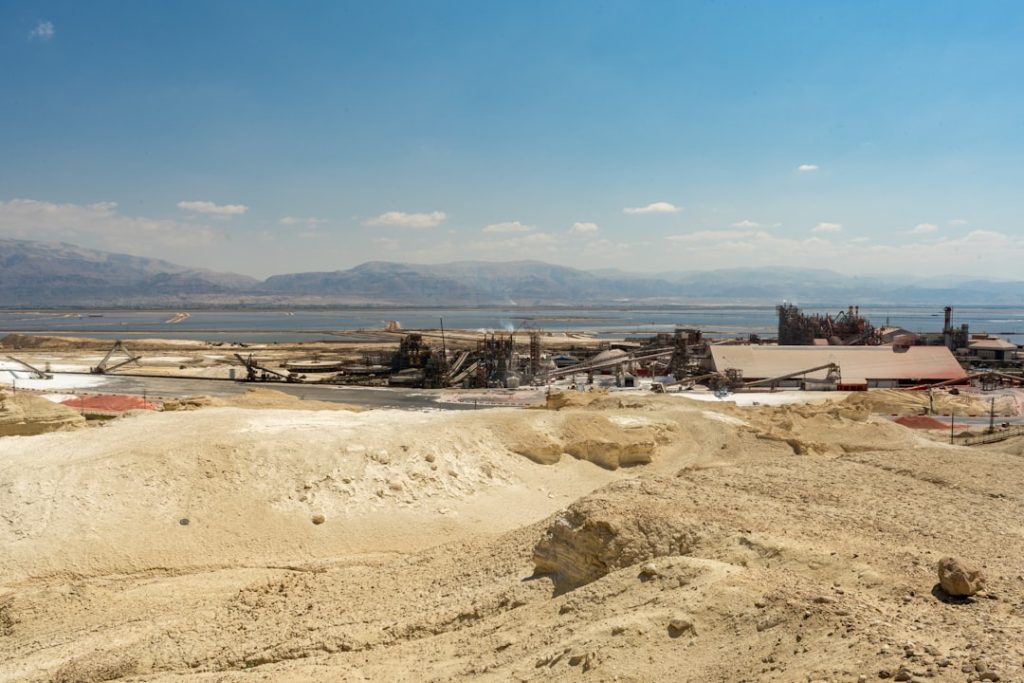
The lithium industry stands at a transformative crossroads as direct lithium extraction technology fundamentally reshapes production economics and investor expectations. Recent production data reveals that companies utilizing advanced extraction methods are achieving significantly higher yields while reducing environmental impact, creating a compelling investment narrative that has captured institutional attention across global markets.
Traditional lithium production methods, particularly brine evaporation ponds, require 12-24 months to produce battery-grade lithium carbonate. In stark contrast, direct lithium extraction processes can complete the same conversion in hours or days, representing a quantum leap in operational efficiency. This technological advancement has enabled producers to respond rapidly to market demand fluctuations while maintaining consistent quality standards that meet the stringent requirements of electric vehicle manufacturers.
Production facilities implementing direct lithium extraction technology are reporting recovery rates exceeding 90%, compared to conventional methods that typically achieve 30-50% recovery from brine sources. Lake Resources, Lilac Solutions, and Summit Nanotech have emerged as key technology providers, with their pilot projects demonstrating scalable solutions that address both efficiency and sustainability concerns. These companies have collectively processed over 2.5 million gallons of lithium-rich brine through their advanced systems, providing robust data sets that validate commercial viability.
Financial markets have responded enthusiastically to these technological breakthroughs. Companies with proven direct lithium extraction capabilities have experienced average stock price increases of 180% over the past eighteen months, significantly outperforming broader mining sector indices. Institutional investors, including BlackRock and Fidelity, have increased their exposure to pure-play lithium extraction companies by approximately $3.2 billion, signaling confidence in the sector’s long-term growth trajectory.
The environmental advantages of direct lithium extraction extend beyond improved recovery rates. Traditional evaporation methods consume approximately 500,000 gallons of water per metric ton of lithium produced, while advanced extraction technologies reduce water consumption by up to 85%. This dramatic reduction addresses critical environmental concerns in water-scarce regions like Chile’s Atacama Desert and Argentina’s lithium triangle, where local communities have raised sustainability concerns about conventional mining operations.
Regulatory frameworks are evolving to support direct lithium extraction deployment. The U.S. Department of Energy has allocated $75 million in grants specifically for advanced lithium extraction research, while the European Union’s Critical Raw Materials Act includes provisions that favor environmentally sustainable extraction methods. These policy developments create additional tailwinds for companies investing in next-generation extraction technologies.
Cost analysis reveals that direct lithium extraction facilities require higher initial capital investment but achieve superior long-term economics. While conventional brine operations require approximately $800 per ton of annual production capacity, direct extraction plants demand $1,200-1,500 per ton. However, accelerated production timelines and higher recovery rates typically generate positive cash flows within 36 months, compared to 60-72 months for traditional operations.
Market dynamics continue to favor companies embracing direct lithium extraction innovation. Global lithium demand projections indicate consumption will reach 3.3 million metric tons by 2030, requiring substantial production capacity additions. Traditional expansion methods cannot meet this timeline, making advanced extraction technologies essential for bridging supply-demand gaps that could otherwise constrain electric vehicle adoption and renewable energy storage deployment.
The convergence of technological advancement, regulatory support, and market demand creates an unprecedented opportunity landscape for direct lithium extraction pioneers. Investors monitoring this space should focus on companies demonstrating scalable technology platforms, strategic resource positions, and experienced management teams capable of executing complex industrial projects. As the global economy accelerates its transition toward electrification, direct lithium extraction stands poised to become the industry standard, rewarding early adopters with sustainable competitive advantages and superior financial returns.
