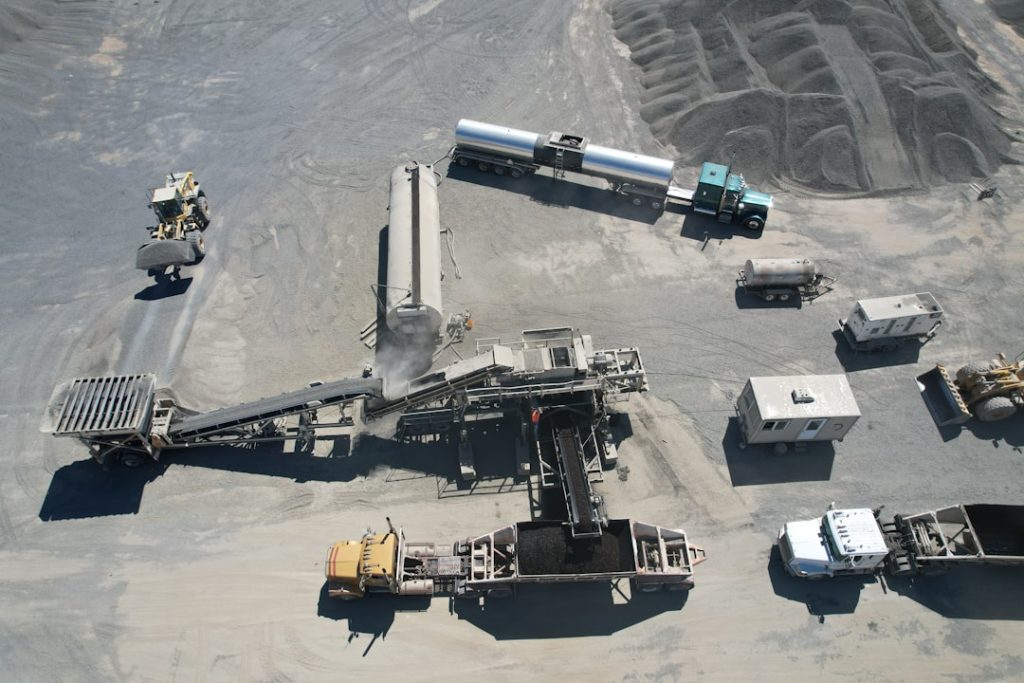
While the world has been fixated on lithium brine operations in South America’s salt flats, a quieter revolution is unfolding in the mining sector. Hard rock mining expansion is rapidly becoming the investment story that could reshape the entire lithium supply chain, offering investors a compelling alternative to the traditional evaporation pond model that has dominated headlines for years.
The shift toward spodumene extraction from hard rock deposits represents more than just an alternative mining method—it’s a strategic response to the growing demand for reliable, scalable lithium production. Unlike brine operations that can take 12-18 months to produce lithium carbonate through evaporation processes, hard rock mining can deliver lithium concentrate in a matter of weeks. This speed advantage is attracting serious attention from battery manufacturers and automotive companies facing tight supply deadlines.
Australia has emerged as the epicenter of this hard rock mining expansion trend, with the Pilbara region hosting some of the world’s largest spodumene operations. Companies operating in this space have demonstrated their ability to scale production rapidly, with several facilities increasing output by 200-300% over the past two years. The geological advantages of hard rock deposits—including higher lithium grades and more predictable extraction processes—are translating into impressive profit margins that traditional brine operations struggle to match.
Investment flows tell the story clearly. Private equity and institutional investors have poured over $15 billion into hard rock lithium projects globally, with the majority focused on expanding existing operations rather than greenfield development. This capital deployment reflects a mature understanding of the technical challenges and operational advantages that hard rock mining expansion offers compared to other lithium extraction methods.
The technology behind modern spodumene processing has evolved significantly, addressing earlier concerns about energy consumption and processing costs. Advanced flotation techniques and improved concentrate processing have reduced the energy intensity of hard rock operations by approximately 40% compared to legacy methods. These efficiency gains are crucial as investors increasingly scrutinize the environmental footprint of their lithium investments.
Weather independence represents another critical advantage driving hard rock mining expansion. While brine operations in Chile and Argentina face ongoing challenges from irregular rainfall patterns and water scarcity issues, hard rock mines operate with far less dependence on climatic conditions. This operational reliability translates directly into more predictable cash flows—a factor that sophisticated investors weight heavily in their allocation decisions.
The geopolitical dimension adds another layer of investment appeal. Hard rock lithium deposits are geographically dispersed across politically stable jurisdictions including Australia, Canada, and parts of Africa. This diversification reduces the concentration risk that has historically plagued lithium supply chains overly dependent on South American brine operations in regions with evolving regulatory environments.
Market dynamics are also shifting in favor of hard rock operations. Battery manufacturers are increasingly willing to pay premiums for lithium concentrate that can be processed into battery-grade materials with greater consistency and shorter lead times. This quality premium is sustainable because the chemical composition of spodumene concentrate offers more control over the final lithium compound specifications compared to brine-derived products.
The infrastructure requirements for hard rock mining expansion, while substantial, are more predictable than those needed for brine operations. Traditional mining equipment, established logistics networks, and proven processing technologies reduce the execution risk that often derails large-scale lithium projects. Investors appreciate this operational predictability, especially in a sector known for cost overruns and production delays.
Looking ahead, the convergence of technological advancement, favorable geology, and robust market demand positions hard rock mining expansion as a transformative force in lithium production. For investors seeking exposure to the electric vehicle revolution, the spodumene story offers a compelling combination of growth potential and operational advantages that traditional lithium investments simply cannot match. The question isn’t whether hard rock operations will capture greater market share—it’s how quickly this transition will reshape the competitive landscape and reward those who recognize the opportunity early.
