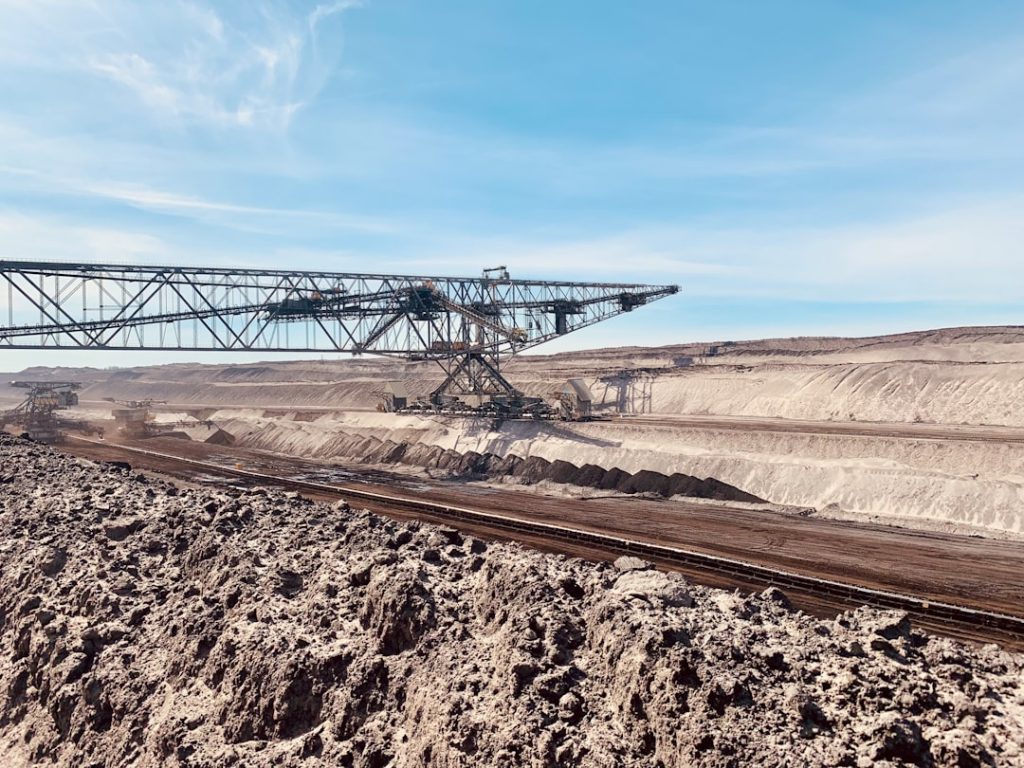
The lithium industry stands at a pivotal juncture as hard rock mining expansion fundamentally transforms how the world sources this critical battery metal. While traditional brine extraction has dominated lithium production for decades, the rapid proliferation of spodumene mining operations across Australia, Africa, and North America is reshaping global supply dynamics and challenging long-held assumptions about lithium economics.
The shift toward hard rock mining represents more than just an alternative extraction method—it embodies a strategic response to soaring electric vehicle demand and the urgent need for reliable, scalable lithium sources. Unlike brine operations that can take 18 to 24 months to produce lithium carbonate through evaporation ponds, hard rock mining facilities can process spodumene ore into lithium concentrate within weeks, offering unprecedented speed to market in an industry where timing increasingly determines competitive advantage.
Australia’s Pilbara region exemplifies how hard rock mining expansion is redefining global lithium geography. Major producers have invested billions in new spodumene operations, transforming the continent into the world’s largest lithium supplier. These facilities now account for approximately 60% of global lithium production, a dramatic shift from the historical dominance of South American brine operations in Chile and Argentina.
The technical advantages driving hard rock mining expansion extend beyond speed. Spodumene deposits typically offer higher lithium concentrations than many brine sources, enabling more efficient extraction processes. Modern hard rock operations achieve lithium recovery rates exceeding 80%, compared to brine extraction recovery rates that often range between 30% and 50%. This efficiency translates directly into cost advantages that have made hard rock lithium increasingly competitive despite higher initial processing requirements.
Investment patterns reveal the scale of industry transformation underway. Mining companies have committed over $40 billion to new hard rock lithium projects globally, with production capacity expected to triple by the end of the decade. These investments span established mining jurisdictions like Western Australia and emerging regions including Zimbabwe, Ghana, and Quebec, diversifying the geographic concentration of lithium supply chains.
The environmental profile of hard rock mining expansion also influences its adoption trajectory. While all mining operations present environmental considerations, hard rock lithium extraction typically requires less water than brine operations and avoids the ecological sensitivities associated with salt flat ecosystems. This environmental positioning has proven particularly valuable in securing regulatory approvals and community acceptance for new projects.
Technology integration accelerates the efficiency gains from hard rock mining expansion. Advanced ore sorting systems, automated processing equipment, and real-time quality monitoring have reduced operational costs while improving product consistency. These technological advances enable smaller-scale operations to achieve economic viability, fostering a more distributed global production network rather than the concentrated mega-projects that characterize traditional brine operations.
Market dynamics increasingly favor the flexibility that hard rock mining expansion provides. Battery manufacturers require consistent lithium supply with predictable specifications, demands that hard rock operations can meet more readily than weather-dependent brine facilities. The ability to scale production up or down based on market conditions offers strategic advantages that align with volatile electric vehicle demand patterns.
The ripple effects of hard rock mining expansion extend throughout lithium supply chains. Processing infrastructure, transportation networks, and technical expertise are rapidly developing around new mining centers, creating industrial ecosystems that support sustained production growth. These developments are particularly pronounced in regions like Quebec and Ontario, where governments actively support lithium mining as part of broader electric vehicle manufacturing strategies.
Looking ahead, hard rock mining expansion appears positioned to dominate lithium production growth. The combination of faster development timelines, higher recovery rates, and reduced regulatory complexity makes spodumene mining the preferred option for meeting accelerating demand. As the global economy intensifies its transition toward electrification, hard rock mining expansion will likely determine which regions capture the economic benefits of lithium production and which companies successfully navigate the evolving competitive landscape of this critical industry.
