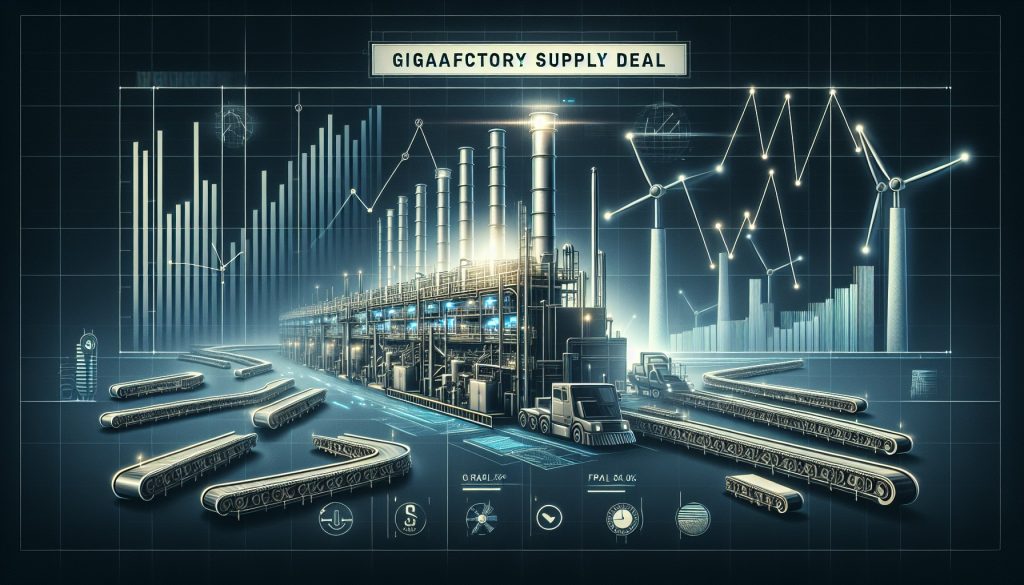
The landscape of battery manufacturing is experiencing a seismic shift as automakers and energy companies secure unprecedented lithium supply agreements to fuel their expanding gigafactory operations. These massive industrial partnerships are not only reshaping the global lithium market but also accelerating the transition to clean energy at a scale previously unimaginable.
Recent months have witnessed a flurry of strategic announcements, with major players like Tesla, Ford, and General Motors announcing multi-billion-dollar agreements to secure lithium hydroxide and carbonate supplies for their North American production facilities. Each gigafactory supply deal represents more than just a business transaction—it’s a calculated move to establish energy independence and meet the surging demand for electric vehicles and grid-scale energy storage systems.
The numbers paint a compelling picture of this transformation. Industry analysts estimate that current gigafactory supply deal commitments will require approximately 2.3 million tons of lithium carbonate equivalent by 2030, representing nearly triple the current global production capacity. This massive demand surge is driving lithium prices to new highs, with battery-grade lithium carbonate futures trading at premium levels as manufacturers compete for guaranteed supply chains.
Strategic Partnerships Drive Market Consolidation
The structure of these agreements reveals a fundamental shift in how the battery supply chain operates. Rather than relying on spot market purchases, manufacturers are increasingly pursuing long-term offtake agreements that span 10 to 15 years. A typical gigafactory supply deal now includes provisions for price stability mechanisms, quality guarantees, and even equity investments in mining operations to ensure reliable sourcing.
Notable examples include the recent partnership between Albemarle Corporation and multiple automakers, which secured 150,000 tons of annual lithium hydroxide production specifically for North American gigafactories. Similarly, Livent Corporation’s expanded agreements with Asian battery manufacturers demonstrate how these deals are creating truly global supply networks that span continents.
The geographic implications are equally significant. As each new gigafactory supply deal is announced, it becomes clear that lithium-rich regions in Australia, Chile, and Argentina are becoming increasingly strategic assets in the global energy transition. Mining companies in these regions are experiencing unprecedented demand for their reserves, leading to accelerated development timelines and substantial infrastructure investments.
Clean Energy Infrastructure Drives Unprecedented Demand
Beyond electric vehicles, the expansion of grid-scale energy storage is creating additional pressure on lithium supplies. Utility companies are increasingly incorporating massive battery installations to support renewable energy integration, with each project requiring substantial lithium resources. The Biden administration’s Infrastructure Investment and Jobs Act has further accelerated this trend, providing federal funding for clean energy projects that rely heavily on lithium-ion battery technology.
The ripple effects extend throughout the entire supply chain. Processing facilities, shipping logistics, and even specialized equipment manufacturers are experiencing growth driven by gigafactory supply deal requirements. Companies that can demonstrate reliable processing capabilities and meet stringent quality standards are commanding premium contracts, while those lacking adequate infrastructure are being left behind in this rapidly evolving market.
Environmental considerations are also playing an increasingly important role in deal negotiations. Modern gigafactory supply deal terms often include sustainability requirements, carbon footprint reporting, and adherence to responsible mining practices. This focus on environmental stewardship is creating new opportunities for mining companies that can demonstrate superior environmental, social, and governance practices.
As the clean energy revolution continues to accelerate, the strategic importance of securing reliable lithium supplies through comprehensive gigafactory supply deal arrangements cannot be overstated. These agreements represent the foundation upon which the next generation of energy infrastructure will be built, making them critical components in achieving global climate goals and energy independence. The companies that successfully navigate this complex landscape will emerge as the dominant players in the trillion-dollar clean energy economy of the coming decades.