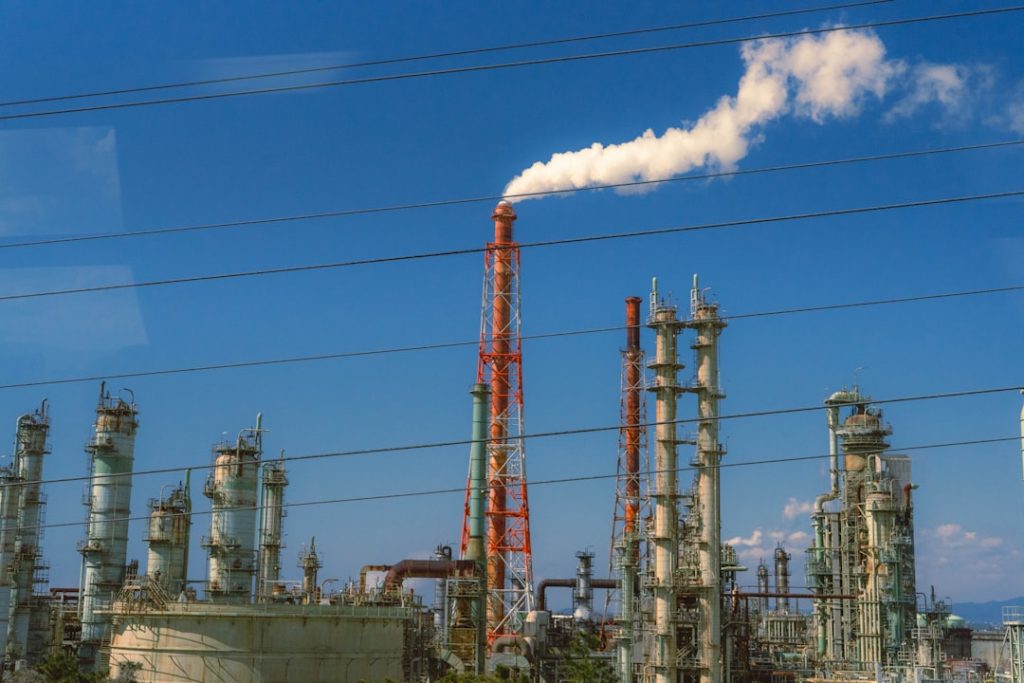
The lithium industry stands at an unprecedented crossroads as waves of refinery expansion news continue to reshape the global supply chain landscape. Recent announcements from major processing facilities across North America, Australia, and South America paint a picture of dramatic transformation that could fundamentally alter how the world accesses this critical battery metal.
The surge in refinery expansion activities represents more than just increased capacity—it signals a strategic shift toward regional supply chain independence and reduced reliance on traditional processing hubs. Major lithium producers are investing billions in new processing facilities, with some projects representing the largest single investments in lithium infrastructure history.
What makes current refinery expansion news particularly compelling is the timing. As electric vehicle adoption accelerates globally and energy storage demands skyrocket, these expanded processing capabilities arrive precisely when the market needs them most. Industry analysts suggest that without these capacity increases, lithium shortages could have created severe bottlenecks in battery production within the next two years.
The geographical distribution of these expansions tells an equally important story. North American facilities are experiencing unprecedented growth, with several companies announcing processing plants that will serve domestic battery manufacturers directly. This represents a dramatic departure from the historical model where raw lithium materials were shipped overseas for processing before returning as refined products.
Processing Technology Breakthroughs Drive Expansion
Behind the headlines of refinery expansion news lies a technological revolution that makes these investments economically viable. New direct lithium extraction (DLE) technologies are enabling processing facilities to achieve higher recovery rates while dramatically reducing environmental impact. These technological advances have shortened processing timelines from months to hours in some cases, making expanded capacity both more efficient and more profitable.
The economic implications extend far beyond the lithium sector itself. Automotive manufacturers are adjusting their supply chain strategies based on anticipated processing capacity increases, with some companies securing long-term agreements with expanding refineries years before facilities come online. This forward contracting demonstrates the confidence industry leaders have in these expansion projects.
Perhaps most significantly, recent refinery expansion news suggests a fundamental shift in market pricing dynamics. As processing capacity increases and becomes more geographically distributed, the traditional premium for refined lithium products is expected to compress. This could translate into lower battery costs and accelerated electric vehicle adoption rates across multiple market segments.
Regional Supply Chains Reshape Global Markets
The strategic importance of domestic processing capabilities has become increasingly apparent to governments worldwide. Several nations have implemented policies specifically designed to encourage refinery expansion, including tax incentives, streamlined permitting processes, and direct financial support for critical mineral processing facilities.
These policy changes are reflected in the scale of current expansion announcements. Some facilities under development will triple regional processing capacity within three years, representing investment levels that would have been unimaginable just a decade ago. The ripple effects are already visible in commodity markets, where lithium pricing has begun to reflect anticipated future supply increases.
Environmental considerations also play a crucial role in shaping refinery expansion strategies. Modern facilities incorporate advanced water recycling systems and renewable energy integration, addressing previous concerns about the environmental impact of lithium processing. This environmental focus has enabled projects to gain regulatory approval more quickly and secure financing from environmentally conscious investors.
The convergence of technological advancement, policy support, and market demand creates an environment where refinery expansion news continues to surprise industry observers with its scope and ambition. As these facilities come online over the next several years, they promise to eliminate supply bottlenecks that have constrained battery production and establish the foundation for the next phase of the clean energy transition. The lithium industry’s transformation through expanded processing capacity represents one of the most significant infrastructure buildouts in modern industrial history, with implications that will reshape energy markets for decades to come.