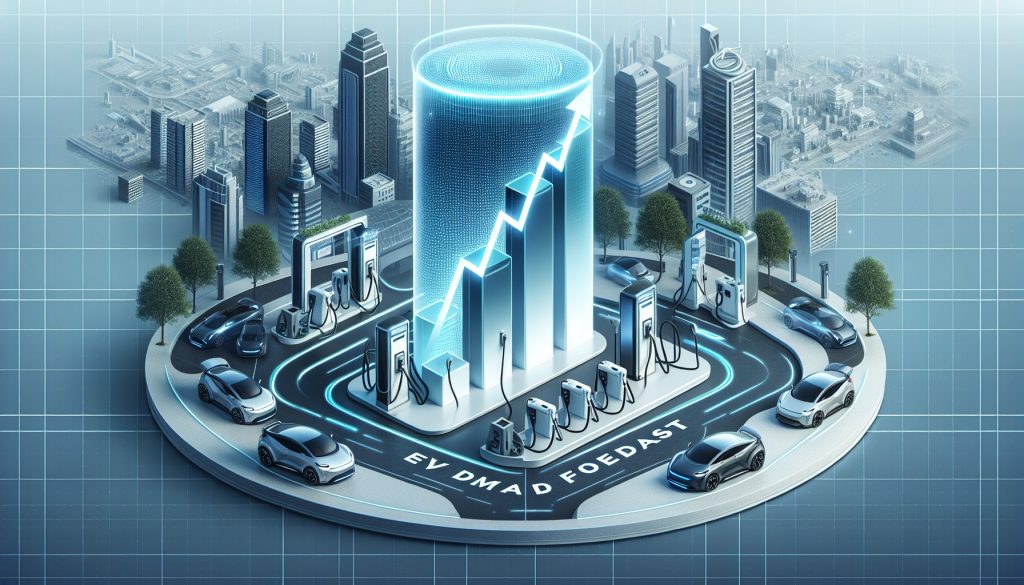
The electric vehicle revolution has reached a tipping point that few analysts saw coming. While previous projections painted a picture of steady, incremental growth, the latest EV demand forecast data reveals something far more dramatic—a fundamental reshaping of how we think about transportation, energy storage, and the entire renewable energy ecosystem.
What makes this year’s EV demand forecast particularly compelling isn’t just the raw numbers, though they are staggering. Global EV sales are projected to surge beyond 18 million units annually, representing a 45% increase from previous estimates. The real story lies in how this accelerated adoption is creating ripple effects across every corner of the green energy sector, from lithium mining operations in Australia to solar panel manufacturing in Southeast Asia.
The automotive industry’s transformation is driving unprecedented demand for battery materials, with lithium prices experiencing volatility that reflects the urgency of securing supply chains. But the EV demand forecast impact extends far beyond raw materials. Traditional energy companies are rapidly pivoting their strategies, with oil majors investing billions in charging infrastructure and renewable energy projects to capture value from the transportation electrification wave.
Infrastructure Investment Reaches Critical Mass
Perhaps the most significant development highlighted in recent EV demand forecast analyses is the infrastructure investment boom. Governments worldwide are recognizing that meeting projected EV adoption rates requires massive grid upgrades and charging network expansion. The United States alone is channeling over $7.5 billion into charging infrastructure development, while Europe’s charging network is expanding at a rate of 3,000 new stations monthly.
This infrastructure buildout is creating a virtuous cycle that reinforces the optimistic EV demand forecast projections. As range anxiety diminishes and charging becomes more convenient, consumer adoption accelerates, which justifies further infrastructure investment. The result is a self-reinforcing growth pattern that traditional automotive forecasting models struggled to capture.
Smart grid technology is emerging as a critical enabler of this transformation. Vehicle-to-grid capabilities are no longer theoretical concepts but practical solutions being deployed at scale. EVs are becoming mobile energy storage units that can help stabilize renewable energy grids, turning transportation electrification into a cornerstone of broader energy system resilience.
Battery Technology Breakthroughs Accelerate Adoption
The latest EV demand forecast figures are also being driven by breakthrough advances in battery technology. Solid-state batteries are moving from laboratory curiosities to production-ready solutions, promising dramatically improved energy density and faster charging times. These technological leaps are eliminating many of the practical barriers that previously limited EV adoption among mainstream consumers.
Manufacturing capacity is scaling at unprecedented speed to meet projected demand. Major battery producers are announcing gigafactory construction projects monthly, with total global battery manufacturing capacity expected to increase by 400% over the next three years. This massive scale-up is driving down per-unit costs while improving performance metrics across the board.
The convergence of falling costs, improving performance, and expanding infrastructure creates a compelling investment thesis that extends well beyond automotive manufacturers. Energy storage companies, renewable energy developers, and even traditional utility companies are positioning themselves to capitalize on the transformation that EV demand forecast data suggests is inevitable.
What emerges from analyzing current EV demand forecast trends is a clear picture of systemic change rather than incremental improvement. The electric vehicle market has moved beyond early adopter enthusiasm to mainstream acceptance, creating investment opportunities and economic shifts that will define the energy landscape for decades to come. For investors, policymakers, and industry leaders, understanding these demand patterns isn’t just about transportation—it’s about positioning for the most significant energy transition in modern history.